Laser
Showing blog posts from category: Laser
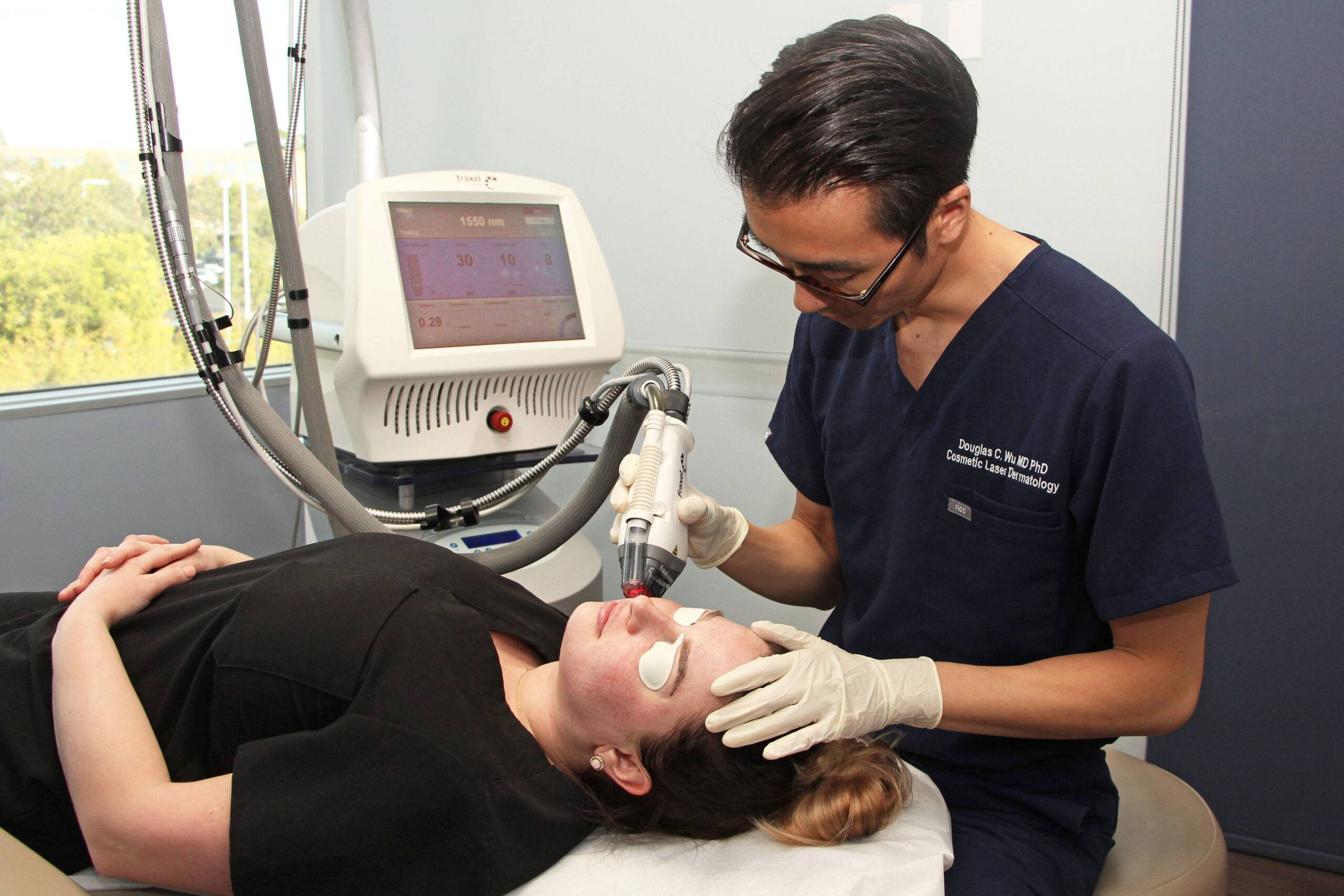
Enhancing Your Natural Beauty with Ablative Laser Resurfacing
Beauty enhancements through dermatology and plastic surgery are the primary way men and women seek to combat signs of aging and other skin conditions. With advancements in technology and medical procedures, countless options are available for those looking to enhance their natural beauty. One option is ablative laser resurfacing. Understanding Ablative Laser Resurfacing: Procedure and
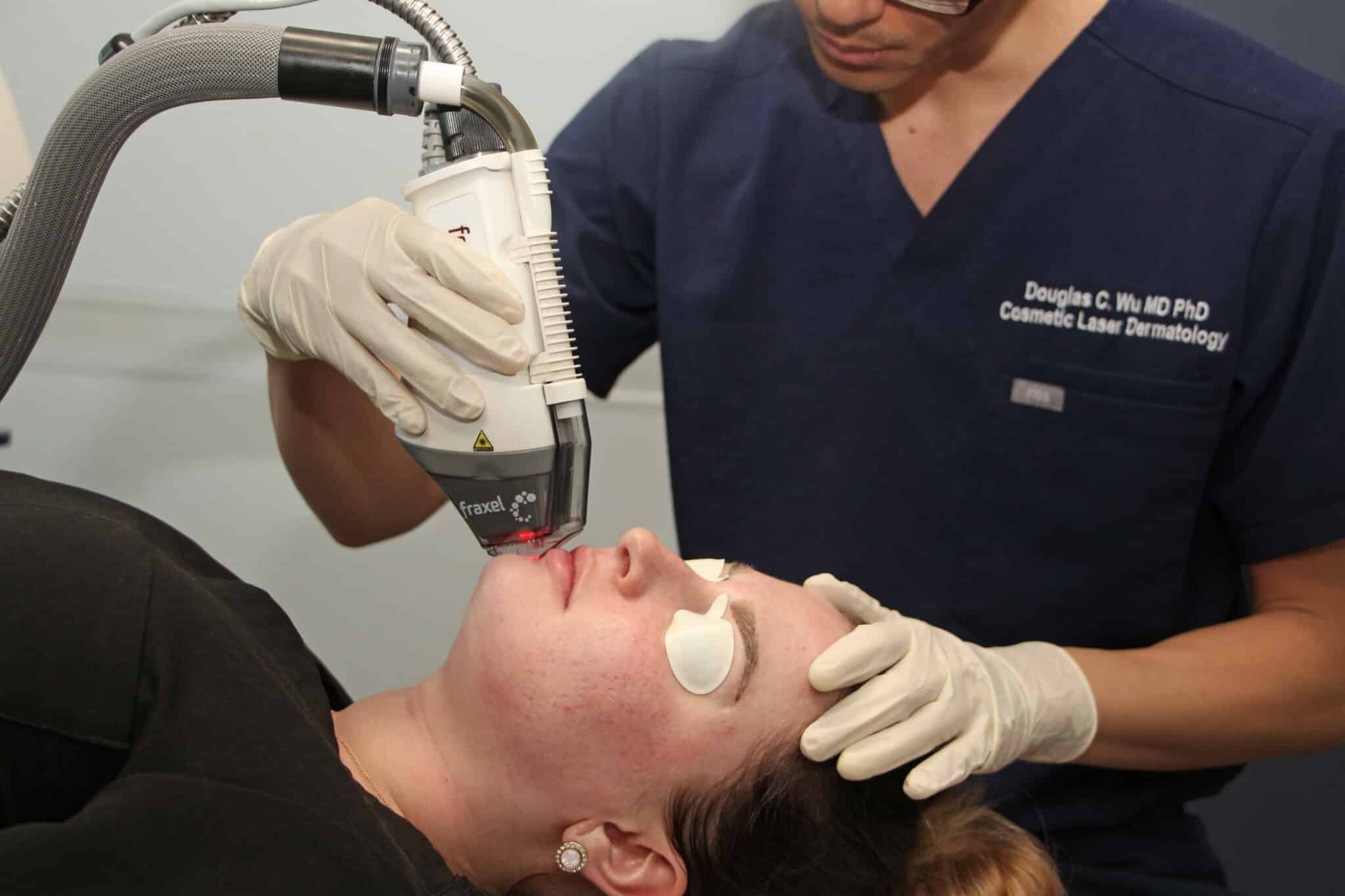
Ablative Laser Resurfacing vs. Non-Ablative Laser Treatments: Choosing the Right Option for You
Although both ablative and non-ablative laser treatments are effective tools for skin rejuvenation, they work differently to address skin concerns. You must know how each treatment works before making a commitment to one laser to achieve the results you desire. Here’s a quick guide showcasing ablative vs. non-ablative laser treatments: Understanding Ablative and Non-Ablative Laser
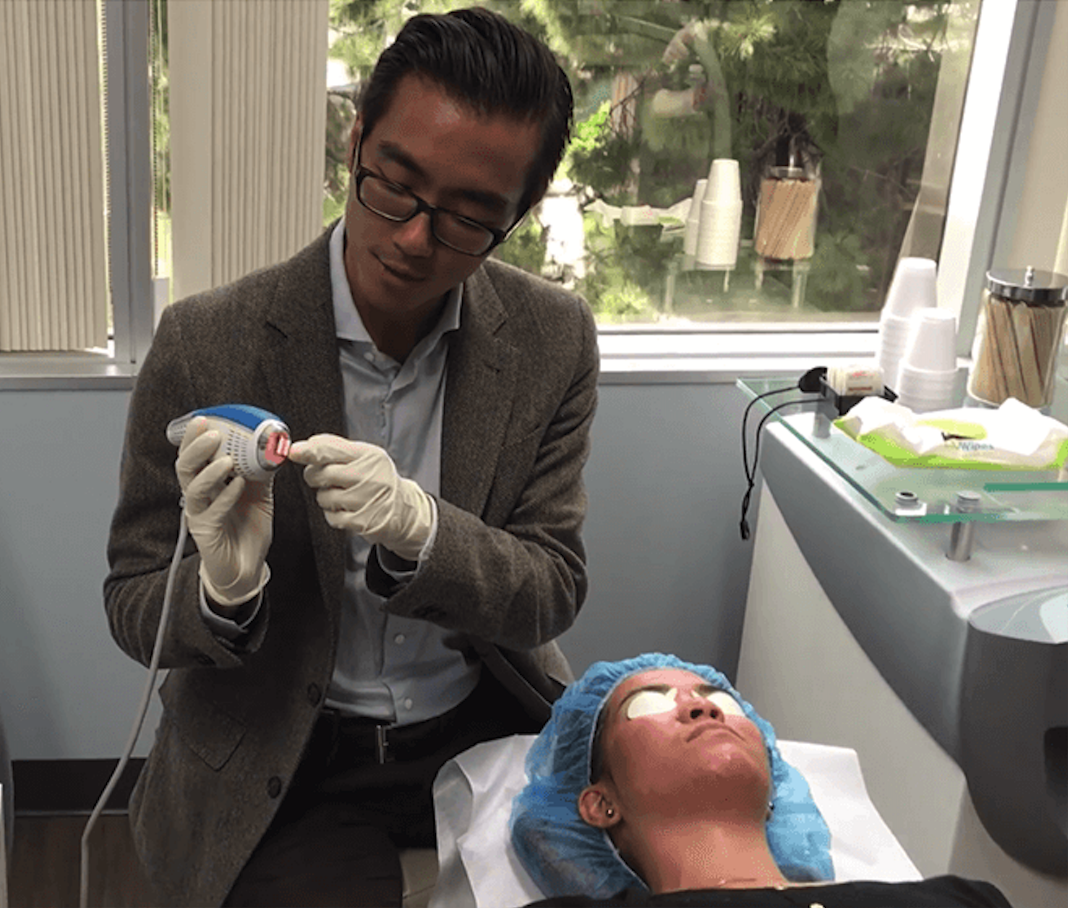
Understanding the Benefits of Fractional Resurfacing for Acne Scars
Advancements in laser fractional resurfacing have made acne scar improvement more effective with its ability to treat scars without damaging surrounding skin and tissue. This procedure has become a top choice for patients looking to reduce the appearance of unsightly acne scarring with minimal discomfort and downtime. How Does Fractional Resurfacing Treat Acne Scars? As
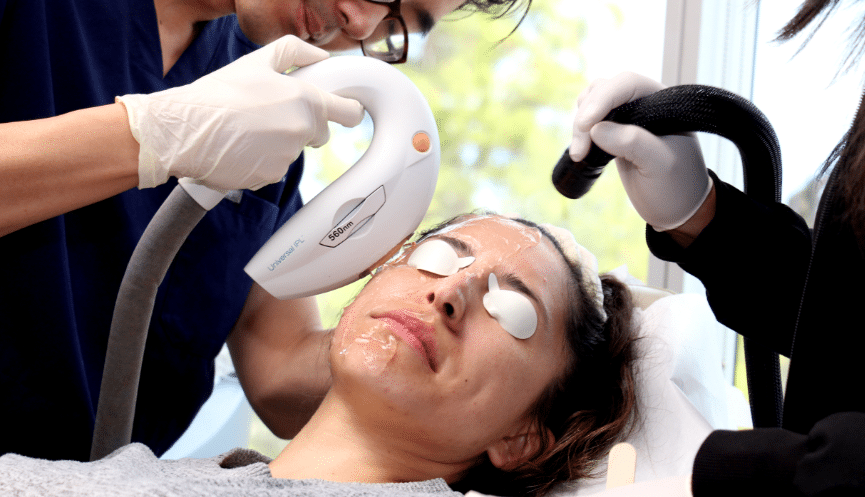
Non-Ablative Laser Resurfacing for Sun Damage: How It Can Help Repair Your Skin
Sun exposure can damage the skin and cause premature signs of aging, such as wrinkles, sunspots, and hyperpigmentation. To repair sun damage, many patients turn to non-surgical procedures like non-ablative laser resurfacing to rejuvenate the skin with minimal downtime. How Non-Ablative Laser Resurfacing Works to Repair Sun-Damaged Skin Non-ablative laser resurfacing works by creating heat
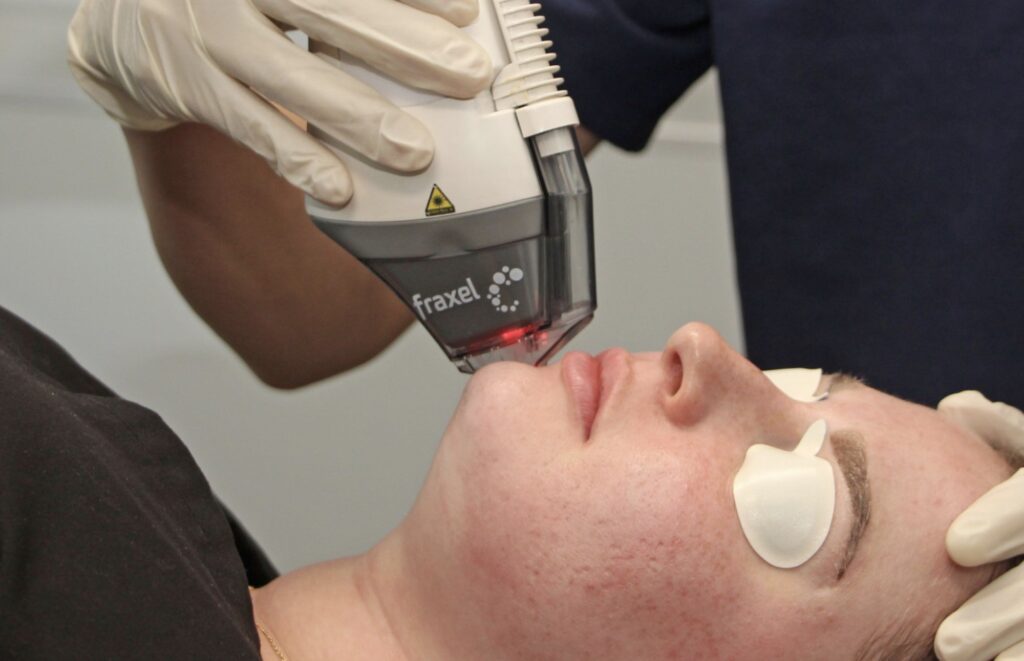
Fractional Resurfacing for Hyperpigmentation: A Solution for Uneven Skin Tone
Sun damage and the aging process can have lasting effects on the skin, like hyperpigmentation, which often requires professional treatments. There are solutions available that can help repair some of the damage. Fractional resurfacing is a safe and effective way to improve skin texture and reduce the appearance of brown spots and fine lines. This
What Are the Options for Deep Facial Wrinkles?
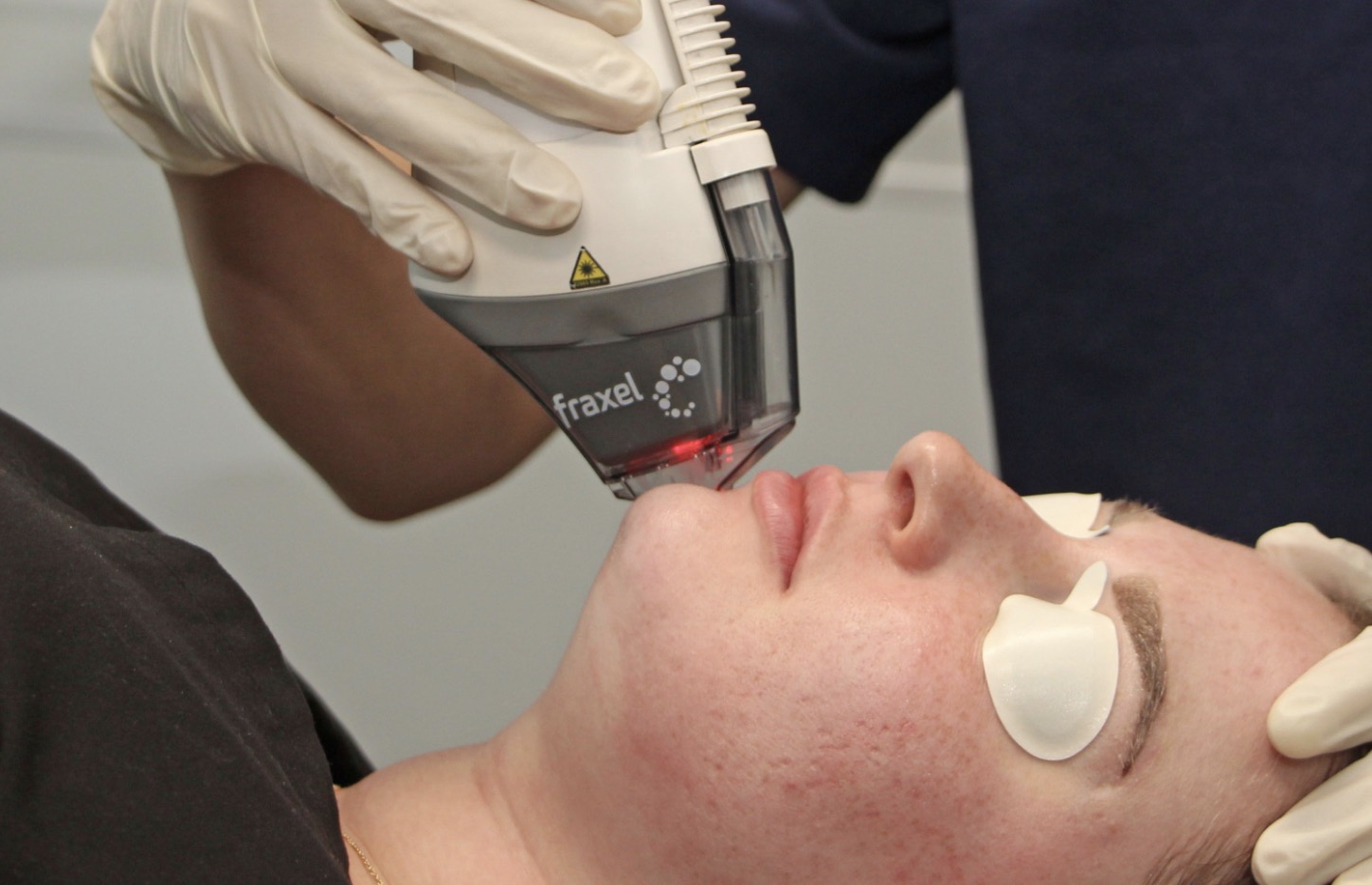
Deep facial wrinkles are a natural part of the aging process but can also occur due to other factors. Fortunately, innovative treatments like Fraxel lasers and laser resurfacing can transform the skin and reduce deep facial wrinkles. What Causes Deep Facial Wrinkles? Deep facial wrinkles are caused by a combination of factors. Aging, genetics, environmental
Unlock Younger-Looking Skin: 5 Benefits of Fractional Lasers That Work
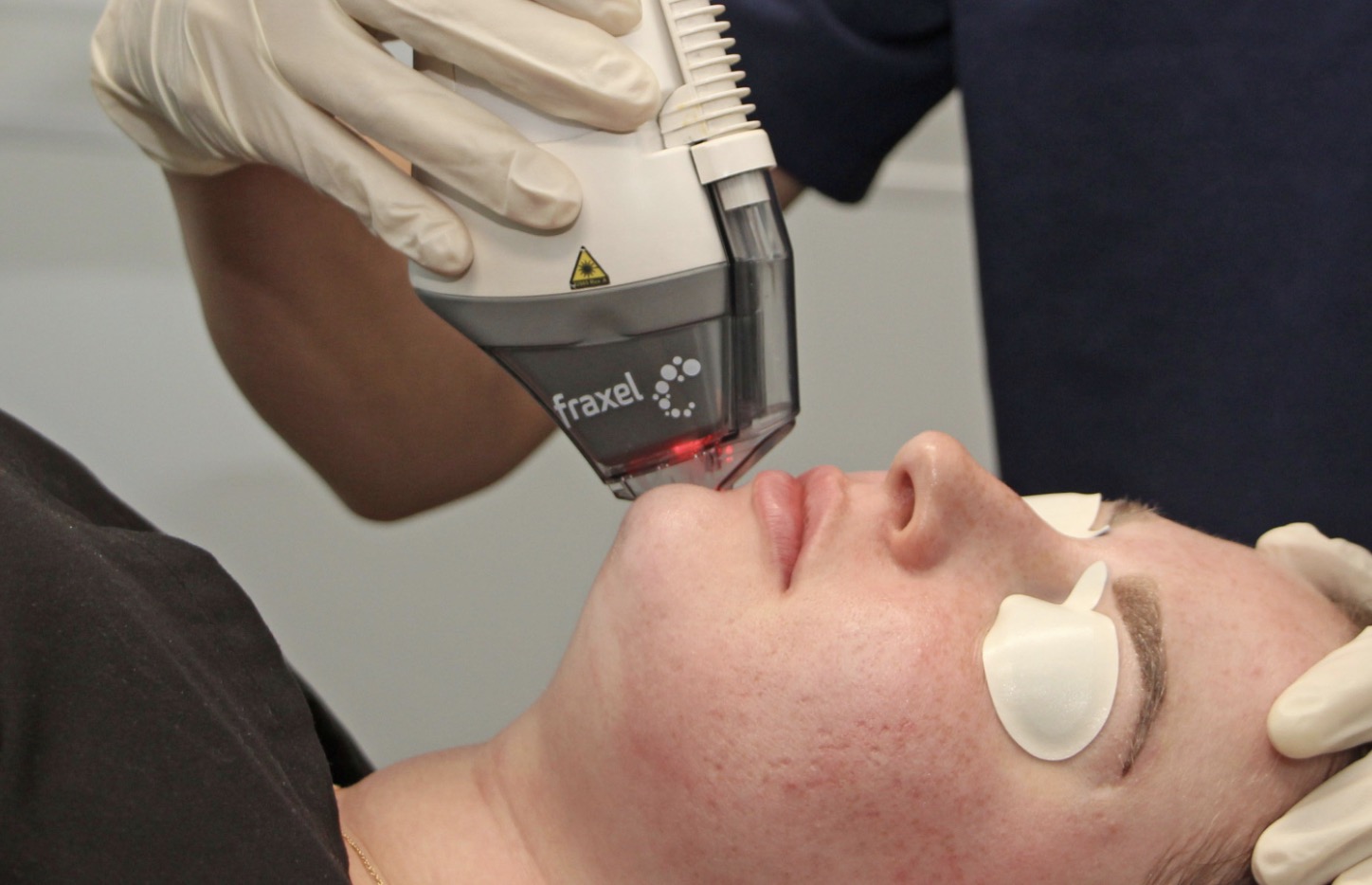
Discover how fractional laser treatments smooth wrinkles, fade scars, and restore your glow. Learn 5 proven skin benefits from San Diego’s laser experts.
Am I a Good Candidate for IPL Photofacial?
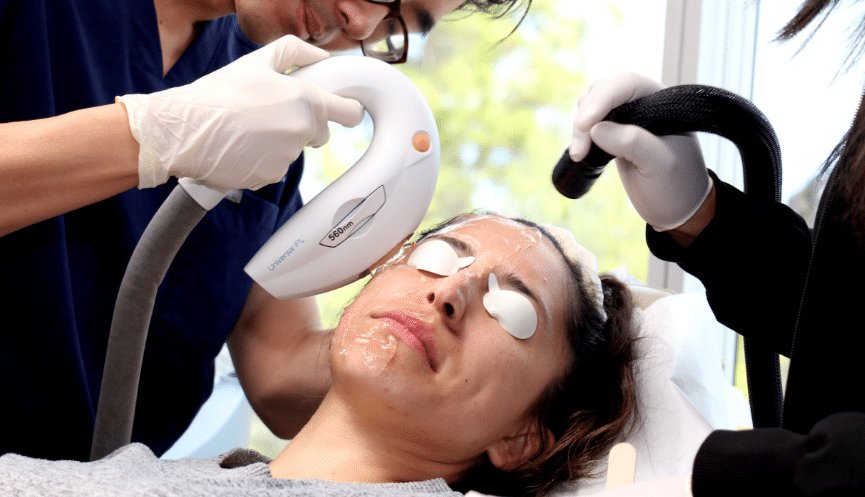
IPL photofacial is effective for all skin types, but results may vary for each person. Some skin tones are more suitable for the treatment and experience maximum benefits. Darker and tan skin tones may have a risk for temporary pigment changes from this treatment. It is essential to always choose an experienced, board-certified dermatologist for
The Pros and Cons of Laser Resurfacing
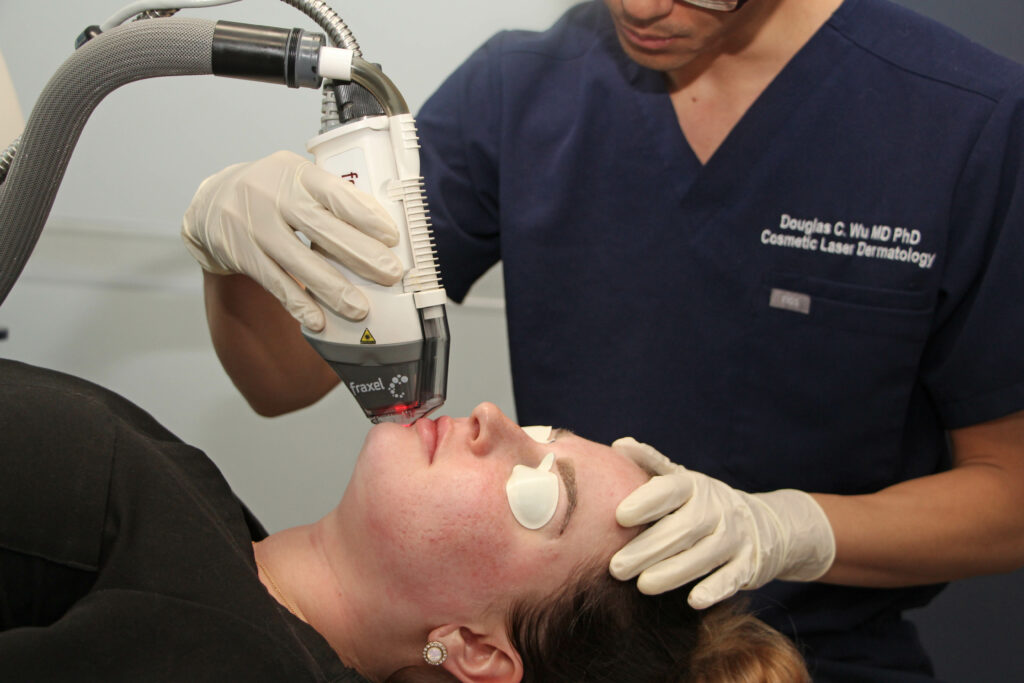
Laser skin resurfacing is a safe and effective treatment that rejuvenates skin and tackles various skin conditions and concerns. While this procedure offers a myriad of benefits for the right patient, it is not the best option for everyone. Find out if laser resurfacing is the right choice for you. What is laser skin resurfacing?
Laser Resurfacing: What You Need To Know
Laser treatments improve skin quality, effectively reversing damage caused by sun exposure, the aging process, and a host of other factors. Laser resurfacing is a versatile treatment that can be customized to your unique goals. It can reduce lines, wrinkles, and acne scarring; improve skin texture and tone; and promote radiant, healthier-looking skin. What is