The best laser procedures for acne scars depend on the type of scars being treated, your skin tone, and the level of resurfacing needed to improve damaged skin and uneven skin texture.
From fractional laser treatments and non-ablative laser technology to CO2 and/or Er:YAG laser resurfacing and pulse dye laser (Vbeam or Cynergy laser), today’s advanced laser treatments can reduce discoloration, soften scar tissue, stimulate collagen, elastic fiber, and hyaluronic acid production, and create smoother skin with long-term improvement.
Acne scars are not all the same, which is why choosing the right acne scar treatment matters. Deep acne scars, rolling scars, red acne scars, pitted acne scars, and post-inflammatory hyperpigmentation each respond differently to laser treatment and cosmetic procedures.
At Cosmetic Laser Dermatology in San Diego, board-certified dermatologists use advanced laser technology and customized treatment plans to address a wide range of skin concerns while supporting the skin’s healing process and skin renewal.
As laser resurfacing and scar revision technology continue to evolve, patients now have more effective treatment options with varying levels of downtime and recovery.
Furthermore, we will explore how laser acne scar treatments work, which procedures are best for different scar types, and what to expect when treating acne scars with today’s most advanced cosmetic treatments.
Treating Your Acne with PDT and Accure
Before beginning laser treatment for acne scars, it is important to first bring active acne under control so new breakouts do not create additional scarring. At Cosmetic Laser Dermatology, board certified dermatologists may recommend treatments such as photodynamic therapy, or PDT, and Accure laser treatments to help address active inflammatory acne before scar revision begins.
PDT uses a light activated solution to target acne related inflammation and oil gland activity, while the FDA-cleared Accure laser system can treat mild to severe inflammatory acne vulgaris. By treating active acne first, patients can move into acne scar procedures with a stronger foundation for clearer, healthier looking skin.
Understanding Acne Scars and Why They Form
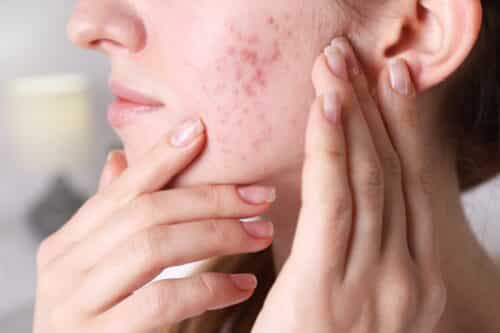
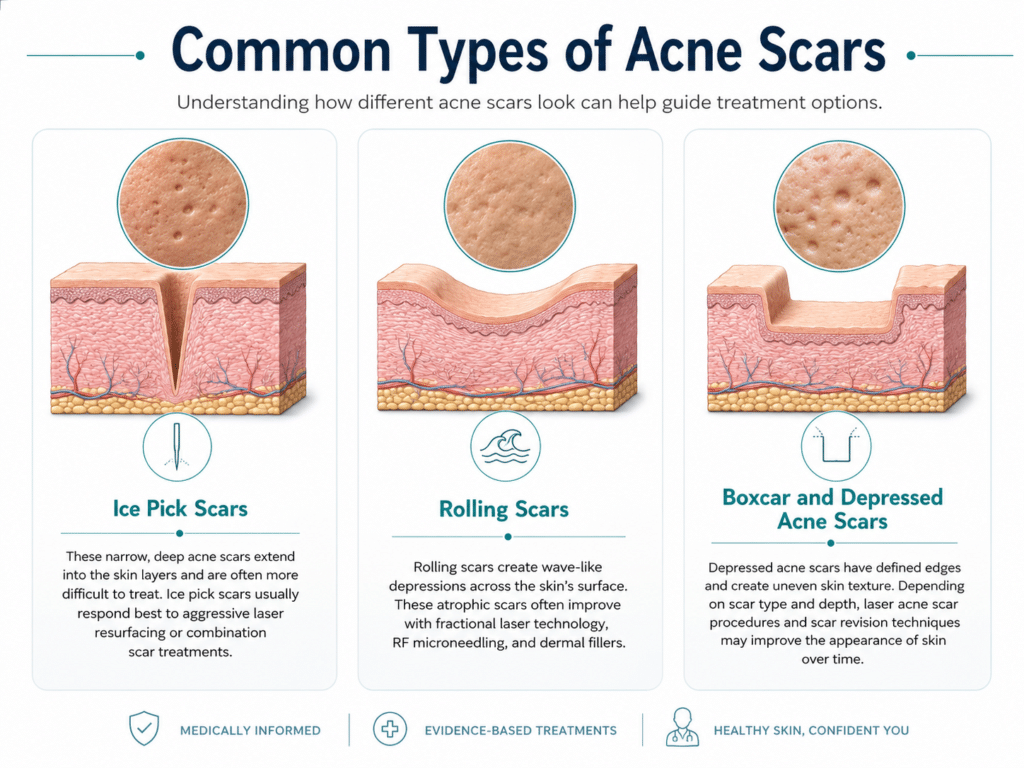
Acne scars develop when inflammation damages the skin’s deeper layers during the healing process. As scar tissue forms, the skin may heal unevenly, leading to depressed acne scars, rolling scars, ice pick scars, or discoloration across the skin’s surface.
Several factors influence how acne scars develop, including acne severity, skin type, genetics, and delayed treatment. In many cases, deeper scars occur when inflamed blemishes damage collagen and elastic fibers beneath the surrounding skin.
How Laser Procedures for Acne Scars Improve the Skin
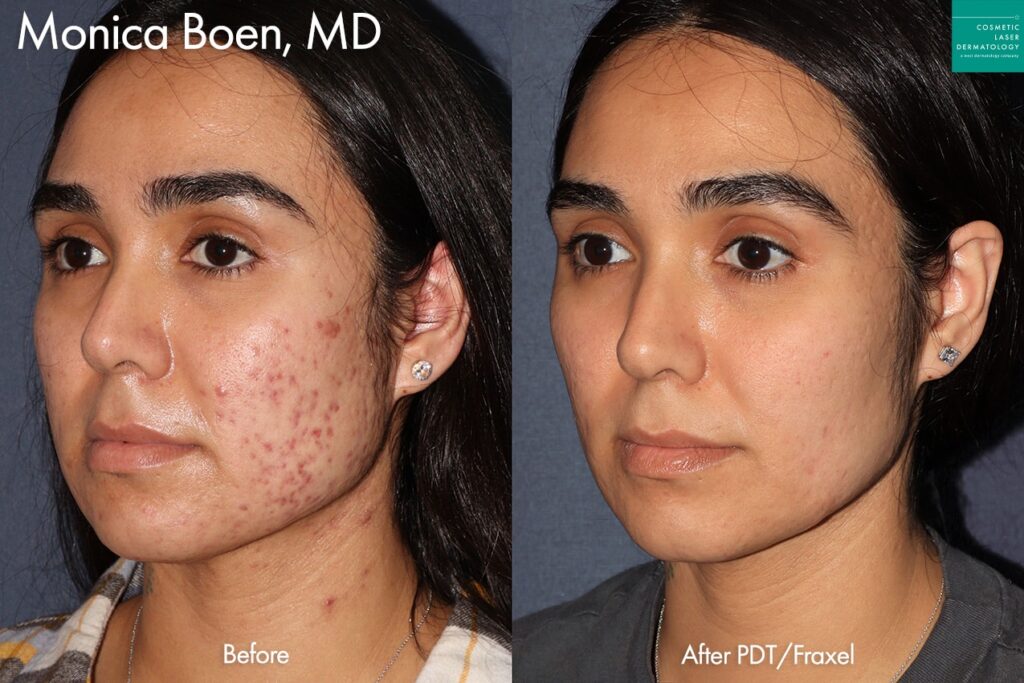
Laser acne scar treatment works by creating controlled injury within damaged skin to trigger skin renewal and new production of collagen, elastic fibers and hyaluronic acid. As skin cell turnover increases, the skin gradually replaces damaged tissue with healthier skin cells.
Many advanced laser treatments also stimulate collagen production, elastic fiber remodeling, and hyaluronic acid production within the deeper layers of the skin. This process helps soften scar tissue, improve skin tone, and reduce discoloration associated with acne scar removal.
Different laser technology targets specific skin concerns, including:
- Deep acne scars
- Red acne scars
- Post-inflammatory hyperpigmentation
- Uneven skin texture
- Dark spots
- Sun damage
- Persistent scar tissue
Because scars respond differently depending on skin type and severity, choosing the best laser treatment requires a professional evaluation.
CO2 Laser Resurfacing and/or Er:YAG Laser Resurfacing
CO2 and/or Er:YAG laser resurfacing remains one of the most effective treatment options for treating acne scars associated with severe texture concerns and atrophic scars. This laser technology penetrates deeply into the skin layers to resurface damaged skin, soften scar tissue, and improve smoother skin through advanced laser resurfacing.
Benefits of CO2 and/or Er:YAG laser treatment may include:
- Improvement in deep acne scars and pitted acne scars
- Enhanced skin renewal and skin cell turnover
- Smoother skin texture
- Reduced scar depth
- Improved skin tone and discoloration
- Support for long-term production of collagen, elastic fibers and hyaluronic acid
Since ablative laser procedures target the deeper layers of the skin, downtime is expected. Most patients experience redness, swelling, peeling, and sensitivity during the healing process as the skin rebuilds.
Although CO2 and/or Er:YAG laser resurfacing is considered a highly effective treatment for acne scar removal, patients with darker skin tones or melanin-rich skin require careful evaluation. Aggressive laser resurfacing may increase the risk of post-inflammatory hyperpigmentation, making provider experience especially important when treating acne scars in diverse skin types.
Fractional Laser Treatments for Acne Scar Removal
Fractional laser technology improves acne scars by treating microscopic sections of damaged skin while leaving the surrounding skin intact. This approach allows the skin’s healing process to occur more efficiently, often resulting in faster recovery and less downtime compared to fully ablative laser resurfacing.
Fractional laser procedures are commonly used for rolling scars, depressed acne scars, uneven skin texture, and post-inflammatory hyperpigmentation. In addition, these laser acne scar treatments stimulate collagen, elastic fiber, and hyaluronic acid production to support gradual skin renewal and smoother skin over time.
Ablative vs. Non-Ablative Fractional Laser Treatments
Ablative fractional laser procedures remove microscopic portions of damaged skin while stimulating collagen production more aggressively within the deeper layers. These treatments are often recommended for deeper scars and more advanced acne scar treatment concerns because they deliver stronger resurfacing effects.
Non-ablative fractional laser procedures, on the other hand, heat the deeper layers of the skin without removing the skin’s surface. As a result, patients typically experience minimal downtime and more gradual improvement after several treatment sessions. Non-ablative fractional laser treatments are often preferred for patients seeking effective treatment with less recovery time, or for patients with darker skin tones, where gentler laser technology may be more appropriate.

Fraxel® Restore Dual and ResurFX
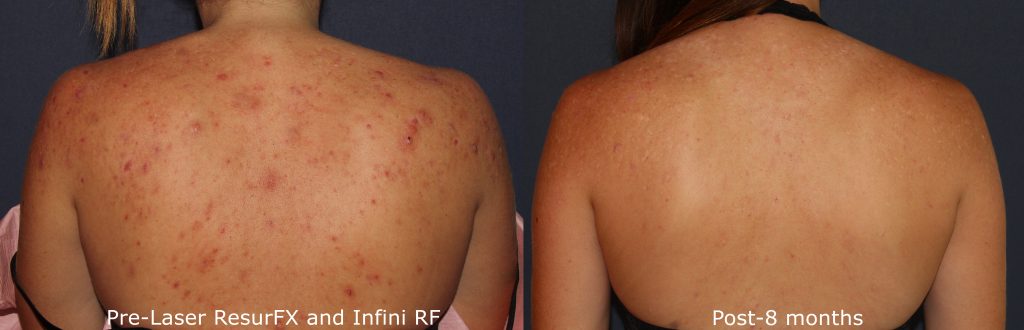
Fraxel® Restore Dual and ResurFX are popular non-ablative laser options for treating acne scars, discoloration, and uneven skin texture. These advanced laser treatments stimulate fibroblasts to support collagen, elastic fiber, and hyaluronic acid production while improving skin tone and fading discoloration.
Fractional laser procedures may work especially well for:
- Rolling scars
- Mild to moderate atrophic scars
- Depressed acne scars
- Post-inflammatory hyperpigmentation
- Red acne scars
Take5 and Take10 for Acne Scars
For patients with more complex acne scarring, Take5 and Take10 offer signature treatment approaches that combine advanced technologies to address multiple layers of skin damage. Rather than relying on one procedure alone, these treatments may incorporate laser resurfacing, RF microneedling, vascular laser treatment, dermal fillers, biostimulatory agents like Sculptra and Radiesse or other scar revision options depending on the type and depth of acne scars.
This comprehensive approach helps improve texture, discoloration, and scar visibility while supporting hyaluronic acid, collagen, and elastic fiber production over time. Because each scar pattern is different, Cosmetic Laser Dermatology’s board-certified dermatologists design treatment plans around the patient’s skin tone, scar type, recovery goals, and overall skin health.
UltraClear and Laser-Coring
In addition to traditional fractional and ablative laser resurfacing options, UltraClear® and Laser Coring™ may be considered for select patients with acne scars, deeper texture concerns, and uneven skin quality. UltraClear is a fractional cold ablative laser system, and Laser Coring is an advanced treatment mode that creates precise micro channels in the skin to support targeted resurfacing and renewal.
When appropriate, UltraClear and Laser Coring can help improve the appearance of acne scars while supporting hyaluronic acid, collagen, and elastic fiber production as the skin heals.
Non-Ablative Laser and Pico Technologies
Patients seeking effective treatment with minimal downtime may benefit from non-ablative laser procedures. These treatments improve skin concerns gradually while reducing disruption to the skin’s surface.
Pico laser technology uses ultra-short pulses to break apart pigmentation and stimulate skin renewal. These devices are commonly used for dark spots, post-inflammatory hyperpigmentation, and discoloration associated with acne scar removal.
Compared to aggressive laser resurfacing, non-ablative laser procedures may offer:
- Shorter recovery time
- Lower risk for melanin-rich skin
- Improvement in skin tone
- Reduced redness and pigment concerns
Vbeam or Cynergy Laser for Red Acne Scars
Not all acne scar treatments focus solely on texture. Some scars leave behind persistent redness caused by visible blood vessels and inflammation.
The Vbeam and Cynergy lasers are commonly used for post-inflammatory erythema and red acne scars. This laser treatment targets blood vessels beneath the skin to reduce discoloration and improve clarity.
Patients with lingering redness after acne may benefit from combining Vbeam or Cynergy laser treatment with fractional laser resurfacing or other scar treatments.
Combination Treatments Often Deliver Better Results
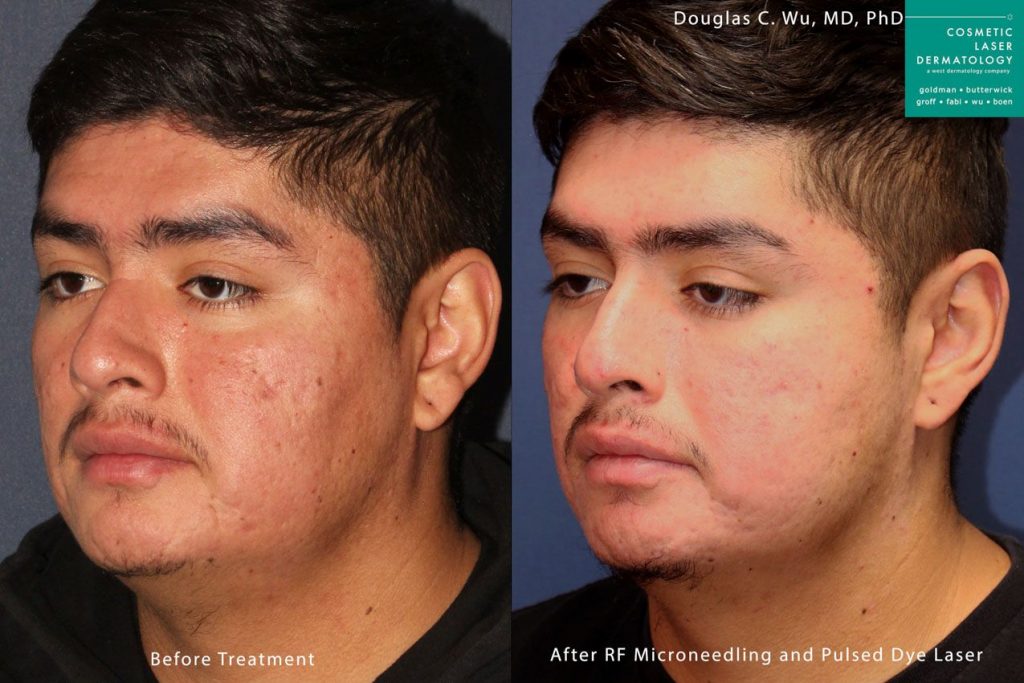
Many acne scars respond best to combination cosmetic treatments rather than a single laser treatment alone. Because acne scars vary in depth and appearance, combining technologies often creates more comprehensive improvement.
Potenza™ RF Microneedling
Potenza™ combines microneedling with radiofrequency energy to stimulate collagen production, elastic fiber remodeling, and hyaluronic acid production within the skin’s deeper layers.
This treatment may improve:
- Rolling scars
- Mild depressed acne scars
- Uneven skin texture
- Skin tone irregularities
Dermal Fillers for Acne Scar Treatment
Dermal fillers such as Juvéderm®, Restylane®, and Belotero® may help lift depressed acne scars by restoring lost volume beneath the surrounding skin.
Certain dermal fillers may also stimulate fibroblastic activity to enhance collagen, elastic fiber, and hyaluronic acid production, helping improve scar revision and smoother skin over time.
Chemical Peels and Additional Scar Treatments
Chemical peels may improve superficial acne scars, dark spots, and skin cell turnover. In some cases, combining chemical peels with laser acne scar procedures enhances overall results.
Considerations for Darker Skin Tones
Treating acne scars in darker skin tones requires careful planning and experience in treating melanin-rich skin. Aggressive laser resurfacing may increase the risk of post-inflammatory hyperpigmentation if the settings are too strong.
Safer options for darker skin tones often include:
- Non-ablative fractional laser procedures
- Pico laser technology
- RF microneedling
- Conservative laser treatment settings
An experienced provider should carefully evaluate skin tone, scar type, and skin concerns before beginning treatment.
Preparing for Laser Acne Scar Treatment
Before starting laser procedures for acne scars, patients should follow all pretreatment instructions to support proper healing.
Preparation may include:
- Avoiding excessive sun exposure
- Using proper sun protection daily
- Pausing certain skincare products
- Avoiding tanning before treatment
- Taking baseline photos for progress tracking
Sun protection remains especially important because recently treated skin is more sensitive during recovery.
Recovery and Aftercare Following Laser Treatment
Recovery depends on the laser treatment used, the treated area, and the depth of resurfacing performed.
Patients may experience:
- Redness
- Swelling
- Dryness
- Peeling
- Temporary darkening of the skin
Most patients should avoid excessive heat, strenuous exercise, and direct sun exposure during the healing process. Consistent sun protection also helps reduce discoloration and supports smoother skin after treatment.

Choosing the Best Laser Treatment for Acne Scars
Selecting the best laser treatment for acne scars starts with understanding your unique scar type, skin tone, skin texture concerns, and recovery preferences. While some patients achieve dramatic improvement with ablative laser resurfacing, such as CO2 and/or Er:YAG laser treatment, others benefit from non-ablative laser technology, fractional laser procedures, or combination acne scar treatment approaches designed to improve smoother skin with minimal downtime.
Because acne scars can range from deep and pitted to red and post-inflammatory hyperpigmentation, an experienced provider can determine which laser procedures for acne scars will deliver the safest and most effective results. Advanced laser treatments work by targeting damaged skin, stimulating collagen, elastic fiber, and hyaluronic acid production, and encouraging skin renewal throughout the deeper layers of the skin.
Discover Advanced Laser Treatments in San Diego Designed for Every Acne Scar Type
At Cosmetic Laser Dermatology, board-certified dermatologists use innovative laser technology and cosmetic treatments to create personalized treatment plans for treating acne scars across all skin types, including darker skin tones and melanin-rich skin.
Whether your concerns involve scar tissue, uneven skin tone, depressed acne scars, or discoloration left behind after acne, the right laser acne scar treatment can help restore healthier-looking skin and visibly improve skin texture over time.
Reveal Smoother, Healthier Looking Skin with Advanced Acne Scar Treatments
If you are ready to explore laser resurfacing, scar revision, or advanced laser acne scar solutions, schedule a consultation with the experts at Cosmetic Laser Dermatology in San Diego.
Discover how customized laser treatment options and experience treating complex acne scars can help you achieve clearer, smoother skin with long-term improvement.
Schedule a consultation today!

Mitchel P. Goldman, MD, is the founder and medical director of Cosmetic Laser Dermatology and a board-certified dermatologist recognized internationally for his expertise in cosmetic dermatology, laser treatments, vein care, and injectables. A former president of the American Society for Dermatologic Surgery, Dr. Goldman has authored 14 medical textbooks and more than 400 peer-reviewed publications. His research, innovation, and commitment to natural-looking results have helped advance many of the laser, light, energy, and injectable treatments used in aesthetic medicine today.