Updated: September 23, 2026
Vbeam Pro and Intense Pulsed Light, or IPL, are two effective options for improving rosacea, facial redness, flushing, and visible blood vessels. The best choice depends on whether the redness is diffuse or more vascular, whether pigmentation is also present, and the individual characteristics of your skin.
At Cosmetic Laser Dermatology in San Diego, our board certified dermatologists use advanced technologies including Vbeam Pro, Stellar M22, and M22 IPL to select the most appropriate treatment approach.
Key Takeaways
- Vbeam Pro and IPL can both improve rosacea, facial redness, flushing, and visible blood vessels.
- Vbeam Pro is more targeted for vascular redness and visible blood vessels.
- IPL may be especially useful when redness appears alongside pigmentation or sun damage.
- The best treatment depends on the type of redness, your skin, and the technology used.
Vbeam Prima and Lumenis IPL: Two Proven Treatments for Rosacea Relief
Vbeam Prima, Stellar M22 IPL™ and M22 IPL systems by Lumenis are all FDA-cleared and widely used to treat rosacea, redness, and broken capillaries. While they address similar concerns, they work in different ways:
- Vbeam Prima is a pulsed dye laser that uses a specific wavelength to target and shrink blood vessels beneath the skin.
- Lumenis IPL uses intense pulses of broad-spectrum light to treat a range of conditions, including redness, sun damage, pigmentation, enlarged pores, and skin laxity.
At Cosmetic Laser Dermatology, we use the Stellar M22 and M22 IPL systems by Lumenis, known for their safety and efficacy. Not all IPL devices are created equal—and neither are providers. The right combination of advanced technology and expert care can make all the difference in your results.
What to Expect During Your Treatment
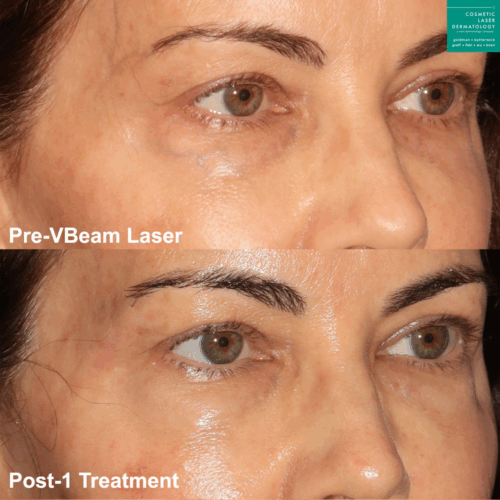
Vbeam Pro: A Laser Designed for Vascular Redness
Vbeam is considered the gold standard for treating stubborn redness and flushing. It’s precise, safe, and delivers targeted results with minimal downtime.
- Session Time: 20–30 minutes
- Pain Level: Mild to moderate (topical numbing cream available)
- Downtime: Minimal—slight redness or swelling may occur for a few hours
During your treatment, you’ll feel a light snapping sensation—many patients compare it to the snap of a rubber band. A built-in cooling device helps keep your skin comfortable throughout. Because Vbeam is a PDL, it can cause bruising or increased sensitivity in some patients.
IPL Photofacial: A Versatile Option for Mild Redness
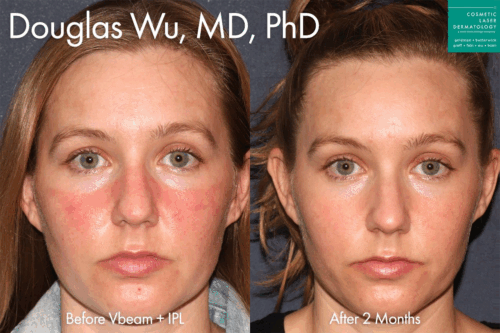
If your redness is more subtle or combined with other skin concerns, like sun spots or uneven tone—IPL may be the perfect fit. It’s quick, low-discomfort, and requires virtually no downtime.
- Session Time: 10–20 minutes
- Pain Level: Mild (no numbing usually required)
- Downtime: Minimal to none; skin may feel warm or look slightly pink afterward
IPL uses broad-spectrum light to gently heat and break down pigmentation and vascular redness. You’ll typically see mild flaking or darkening of spots before they slough off, revealing smoother, more even-toned skin beneath. IPL is generally our preferred treatment for rosacea. If the area being treated includes coarse facial hair (like the beard or mustache area), Vbeam may be a better option, as it’s considered better for avoiding elimination of hair.
Vbeam Prima
Results Timeline
2–4 weeks post-treatment
How Long It Lasts
6 to 12 months
Maintenance Plan
Touch-ups every 6–12 months
Lumenis IPL
Results Timeline
2–3 weeks post-treatment
How Long It Lasts
6 to 12 months
Maintenance Plan
Touch-ups every 3–6 months
While both treatments offer long-term benefits, Vbeam tends to produce more dramatic improvements in persistent redness, while Lumenis IPL is ideal for managing early-stage rosacea and pigmentation simultaneously.
Who’s a Good Candidate for Each Treatment?
Vbeam Prima is best for you if:
- You have moderate to severe rosacea
- You struggle with visible capillaries or consistent flushing
- Other treatments haven’t worked
Lumenis IPL is ideal if:
- You have mild rosacea or early redness
- You want to treat sun damage, brown spots, and redness together
- You prefer a fast, multitasking treatment with no recovery time
- You have darker skin
Are There Any Side Effects?
Both treatments are safe and customizable—but as with any laser or light therapy, minor side effects are possible.
VBeam Prima
Temporary redness, swelling, or light bruising (1–3 days max)
Lumenis IPL
Mild redness, temporary darkening of spots, rare pigmentation shifts
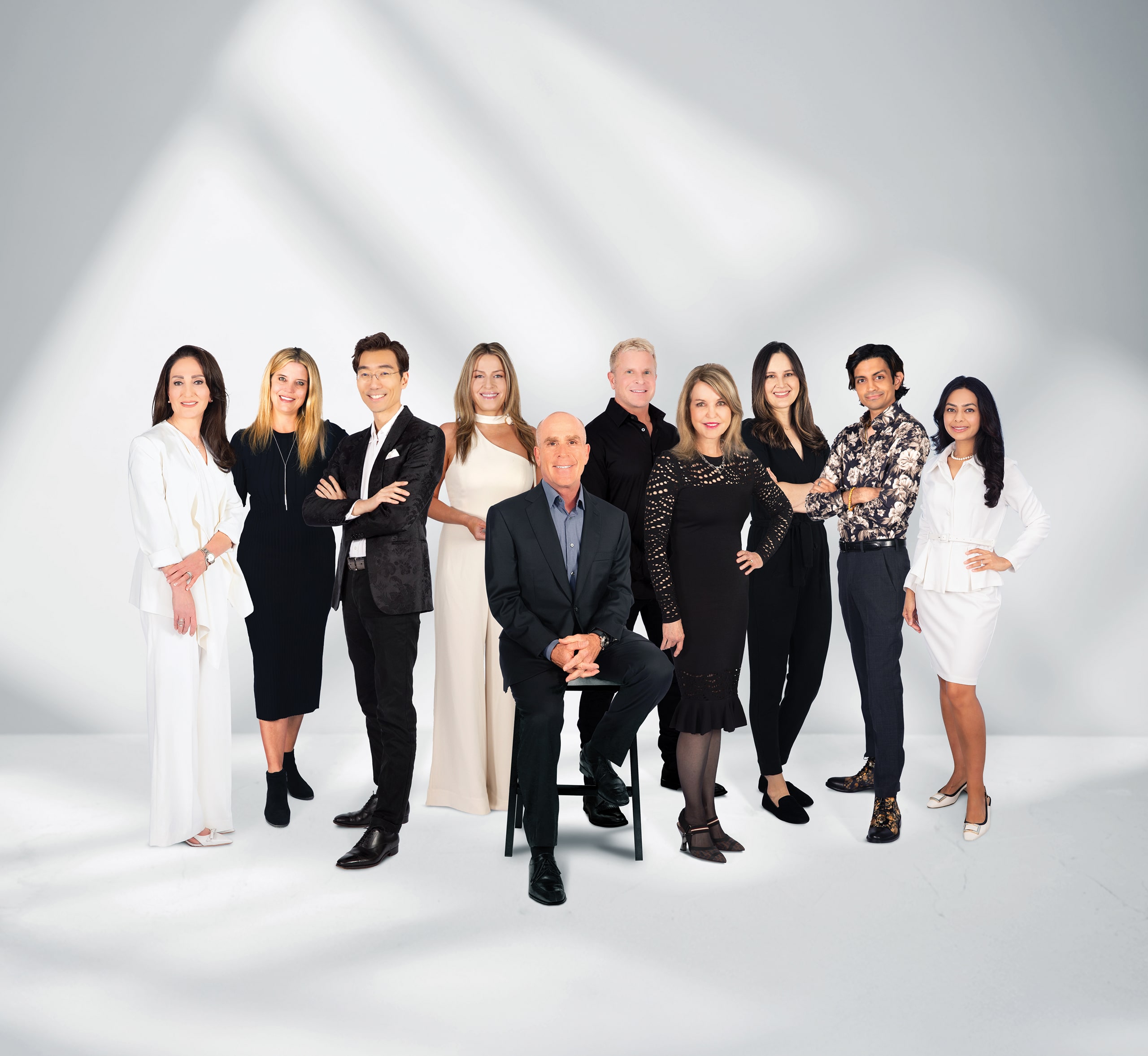
Patients with melanin-rich skin should consult with our board-certified dermatologists to discuss whether laser treatment is the right approach or if an alternative treatment plan would provide better safety and results. Meet the team that will guide you every step of the way.
So, Which One Should You Choose?
Here’s a quick breakdown:
Vbeam Prima
Best for severe redness, broken vessels, chronic rosacea
Choose for Precise vascular targeting, longer-lasting results
Lumenis IPL
Best for mild redness, sun damage, early pigmentation issues, darker skin
Choose for multitargeted results and quick recovery
Not sure which treatment is right for you? Schedule a personalized consultation so we can assess your skin, review your history, and create a custom plan designed around your goals.
📞 Call (858) 943-2113 or book online today. You deserve to feel confident in your skin.
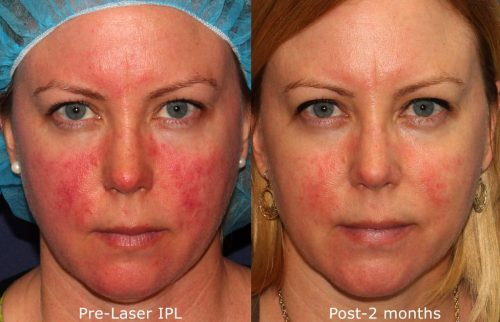
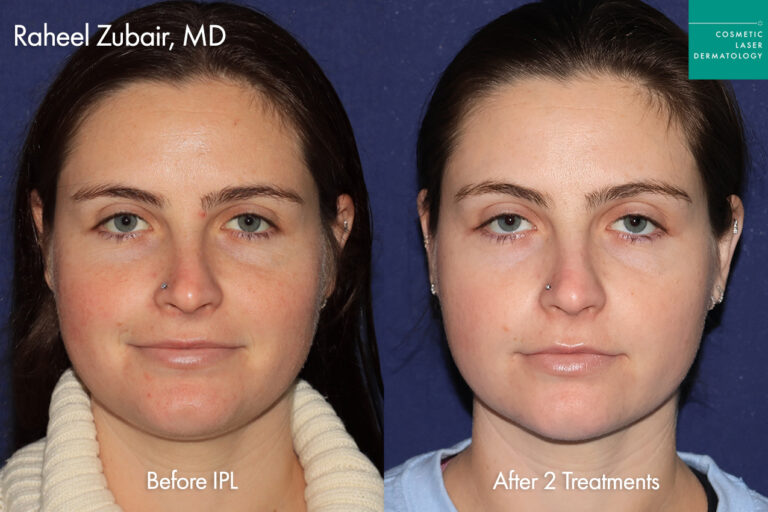
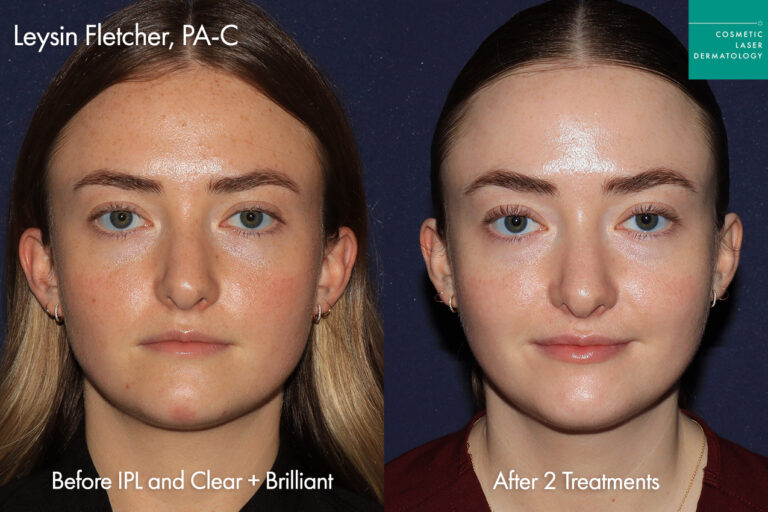
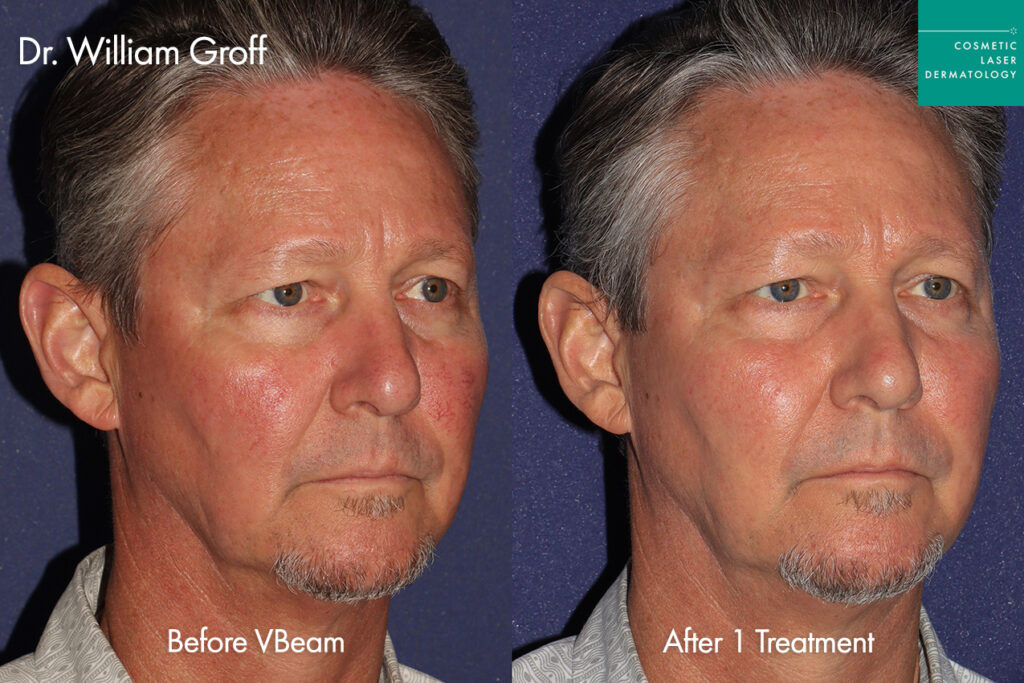
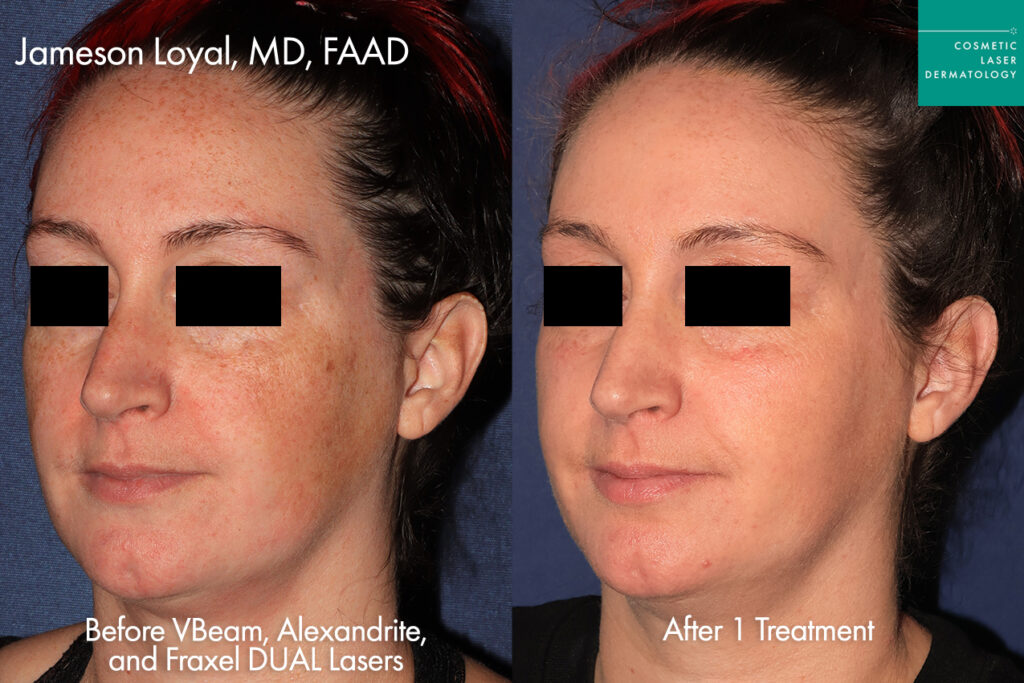
VBeam Prima vs. Lumenis IPL for Rosacea & Redness: Before & After
FAQ: Vbeam Prima vs. Lumenis IPL for Rosacea & Redness
What’s the best treatment for rosacea?
It depends on the severity and depth of your redness. Vbeam Prima is typically best for more advanced cases involving visible blood vessels and chronic flushing. IPL with our Lumenis M22 and Stellar M22 systems is ideal for milder rosacea, especially when combined with sun damage or brown spots.
How many sessions will I need to see results?
Most patients see significant improvement after 2–3 sessions, spaced about 4 weeks apart. During your consultation, we’ll tailor a treatment plan based on your skin condition and goals.
How long do results last?
Results for both Vbeam and Lumenis IPL often last 6 to 12 months. Maintenance sessions, once or twice a year, help keep redness and pigmentation at bay.
What’s the difference between Vbeam and Lumenis IPL for visible blood vessels?
Vbeam is a targeted vascular laser that treats broken capillaries, spider veins, and redness with high precision. Lumenis IPL treats both vascular and pigmented lesions simultaneously, making it a more versatile—but less focused—option for vessels.
Do Vbeam or Lumenis IPL treatments hurt?
Most patients tolerate both treatments well. You may feel a snapping or warming sensation. Topical numbing cream can be used for Vbeam if needed, while Lumenis IPL typically doesn’t require it.
Can darker skin tones be treated safely?
Yes, with the right approach. Patients with medium to dark skin may require lower energy settings and an experienced provider to avoid pigmentation risks. Lumenis IPL is typically considered better for people with darker skin. Cosmetic Laser Dermatology specializes in treating all skin types safely and effectively.
Is there any downtime after treatment?
Downtime is minimal for both. Vbeam may cause light swelling or bruising for 1–3 days. Lumenis IPL may lead to mild flaking or temporary darkening of brown spots, which naturally shed within a week. Most patients resume normal activities the same day.
Find the Right Solution for Rosacea and Facial Redness in San Diego
Rosacea and persistent facial redness can look different from one person to another, which is why the right treatment starts with understanding what is causing the concern. At Cosmetic Laser Dermatology in San Diego, our board certified dermatologists evaluate your skin, redness pattern, and treatment goals to recommend an appropriate approach for clearer, more even looking skin.
Schedule a consultation to explore your options for rosacea and facial redness treatment.

Mitchel P. Goldman, MD, is the founder and medical director of Cosmetic Laser Dermatology and a board-certified dermatologist recognized internationally for his expertise in cosmetic dermatology, laser treatments, vein care, and injectables. A former president of the American Society for Dermatologic Surgery, Dr. Goldman has authored 14 medical textbooks and more than 400 peer-reviewed publications. His research, innovation, and commitment to natural-looking results have helped advance many of the laser, light, energy, and injectable treatments used in aesthetic medicine today.