

Melasma Treatment
Fade stubborn melasma and reveal even, radiant skin with melasma treatment in San Diego. Our advanced laser treatments and medical-grade therapies target pigmentation at its source for lasting, safe, and effective clearance, without damaging your skin.

How to Remove Dark Spots on Face With Melasma Treatment
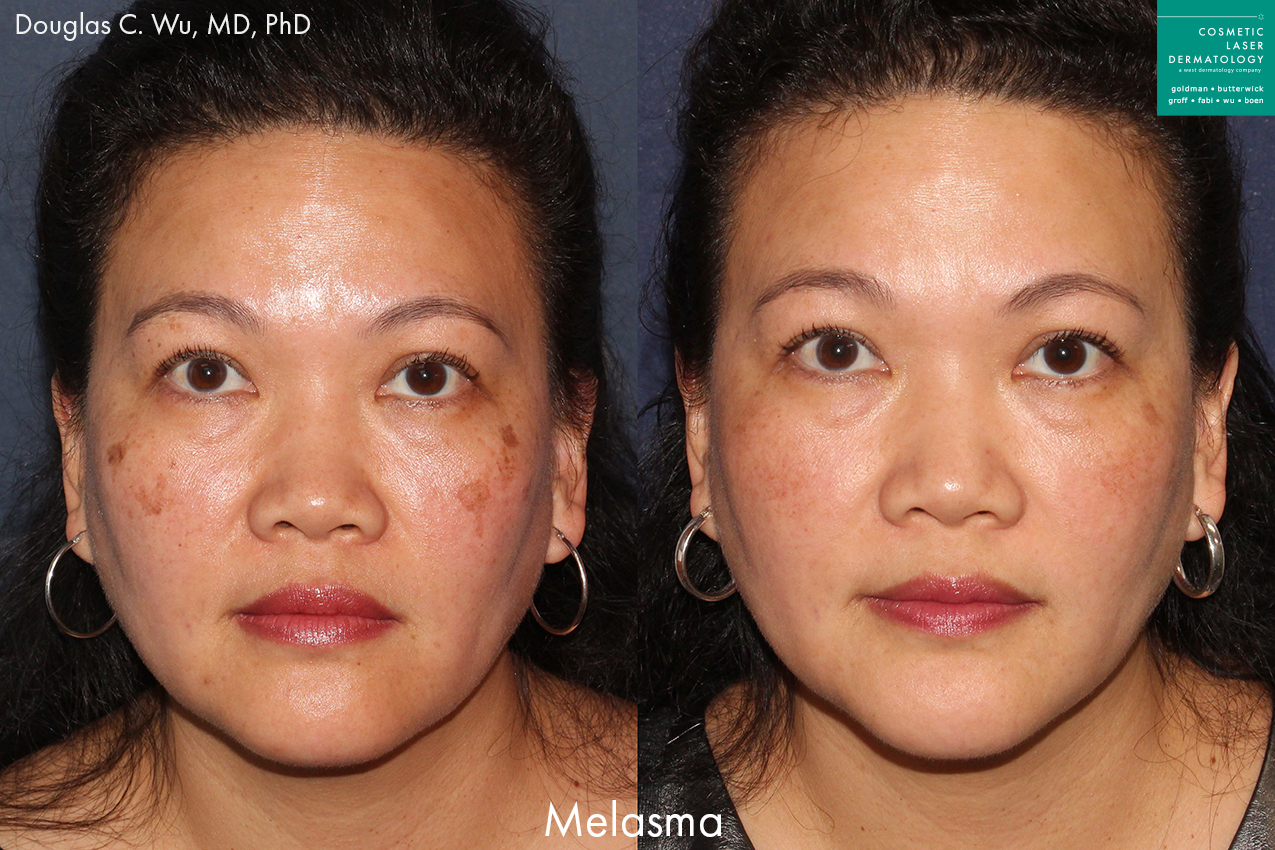
Melasma treatment is designed to improve uneven skin tone, reduce visible discoloration, and restore clarity to the face.
What melasma treatment can achieve:

The Best Melasma Treatment and Sun Spots
What is Hyperpigmentation?
Watch How Clear + Brilliant Treats Melasma
Best Melasma Treatment Options in San Diego
Melasma is a medical dermatologic condition that is often managed with topical or oral therapies though traditional dermatology care. At Cosmetic Laser Dermatology, we focus on advanced cosmetic laser and energy based treatments for patients seeking advanced options beyond prescription management. When melasma persists or recurs, carefully selected laser treatments can help reduce visible pigmentation and support long-term pigment stability. Here are some of the many advanced laser and energy based technologies we use to treat melasma safely and effectively.
IPL for Melasma Treatment
Intense Pulsed Light is one of the most effective treatments for melasma when performed with advanced technology and expert oversight. At Cosmetic Laser Dermatology, IPL is carefully customized to reduce pigmentation safely while supporting long term pigment stability and overall skin clarity.
UltraClear™ Laser
UltraClear Laser uses controlled cold fiber laser technology to gently resurface the skin and improve uneven pigmentation associated with melasma. By promoting skin renewal with limited thermal injury, this approach helps support tone correction while minimizing inflammation that can contribute to melasma recurrence. Treatments are carefully customized and performed conservatively by board-certified dermatologists. Individual results may vary.
3DMIRACL®
3DMIRACL is a non-ablative UltraClear option designed to improve skin tone and texture while supporting collagen remodeling without disrupting the skin barrier. For melasma-prone skin, this gentle approach allows gradual pigment improvement with minimal downtime and a lower risk of inflammation. It is often incorporated into a long-term melasma management plan alongside medical-grade
Fraxel® Re:store
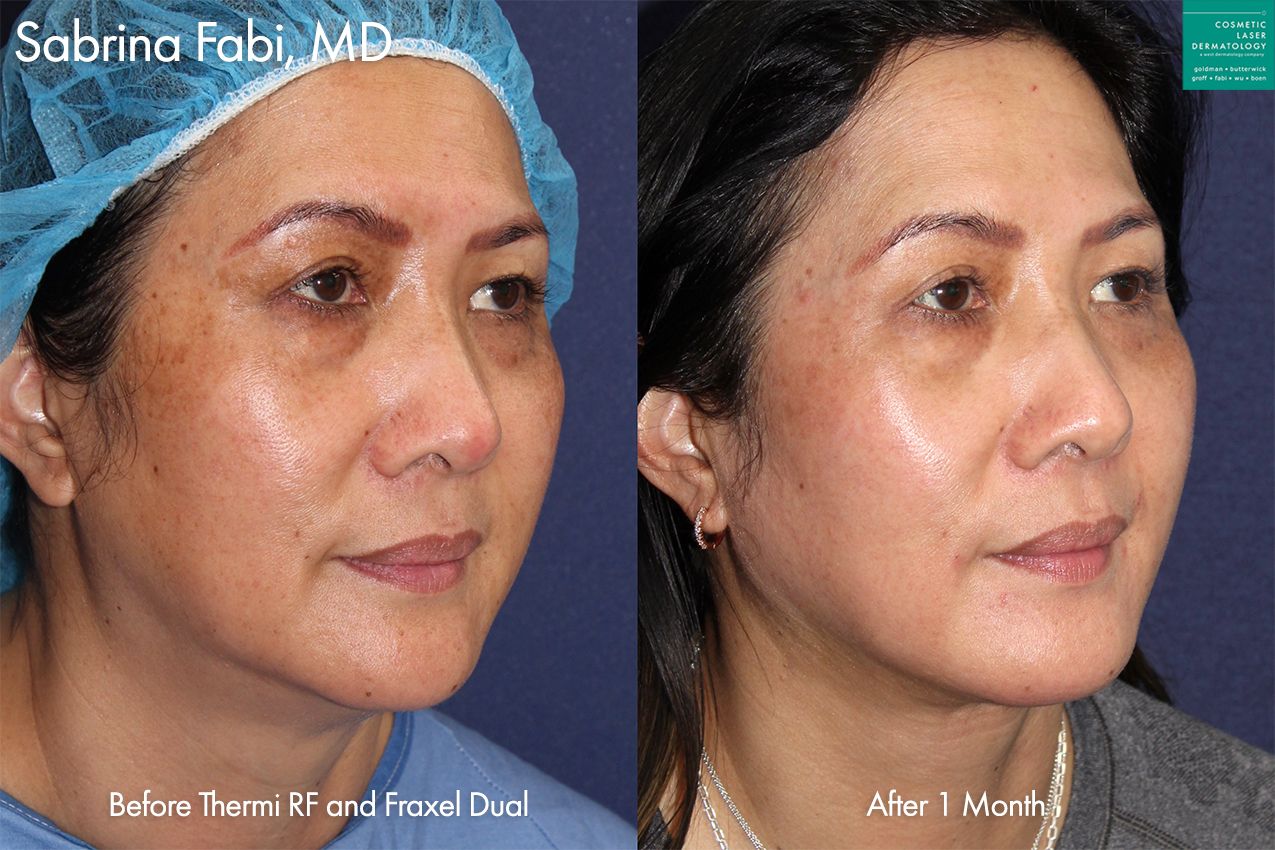
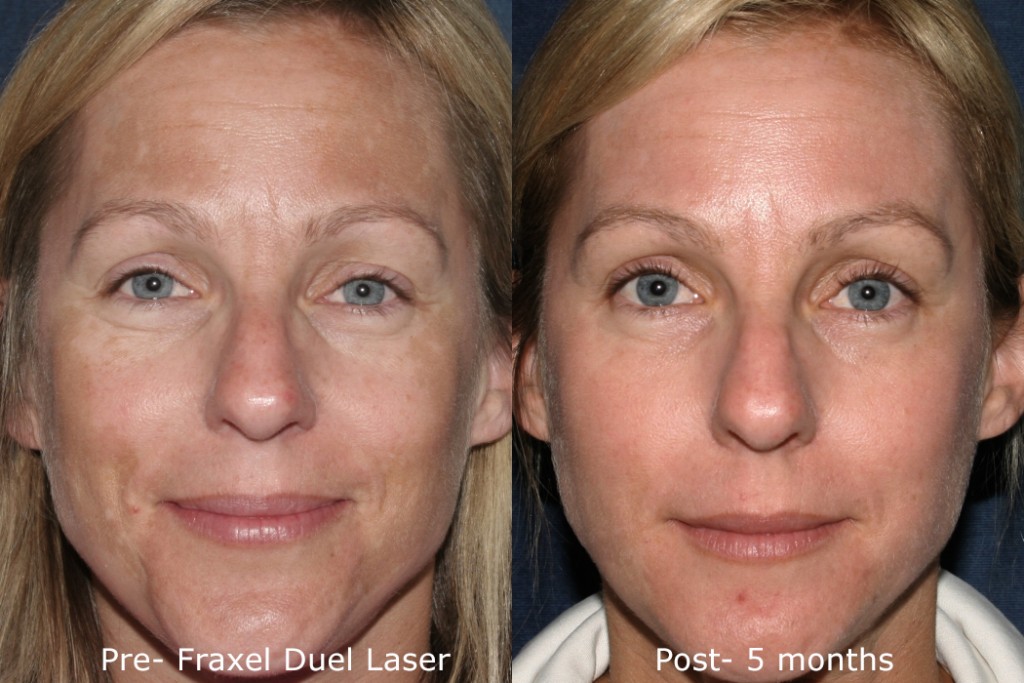
Fraxel Re:store including the 1927 nm Thulium wavelength, specifically targets superficial pigment associated with melasma. This fractional approach allows controlled treatment of uneven pigmentation while supporting collagen and elastic fiber renewal and overall skin quality.
PicoWay® and PicoSure®
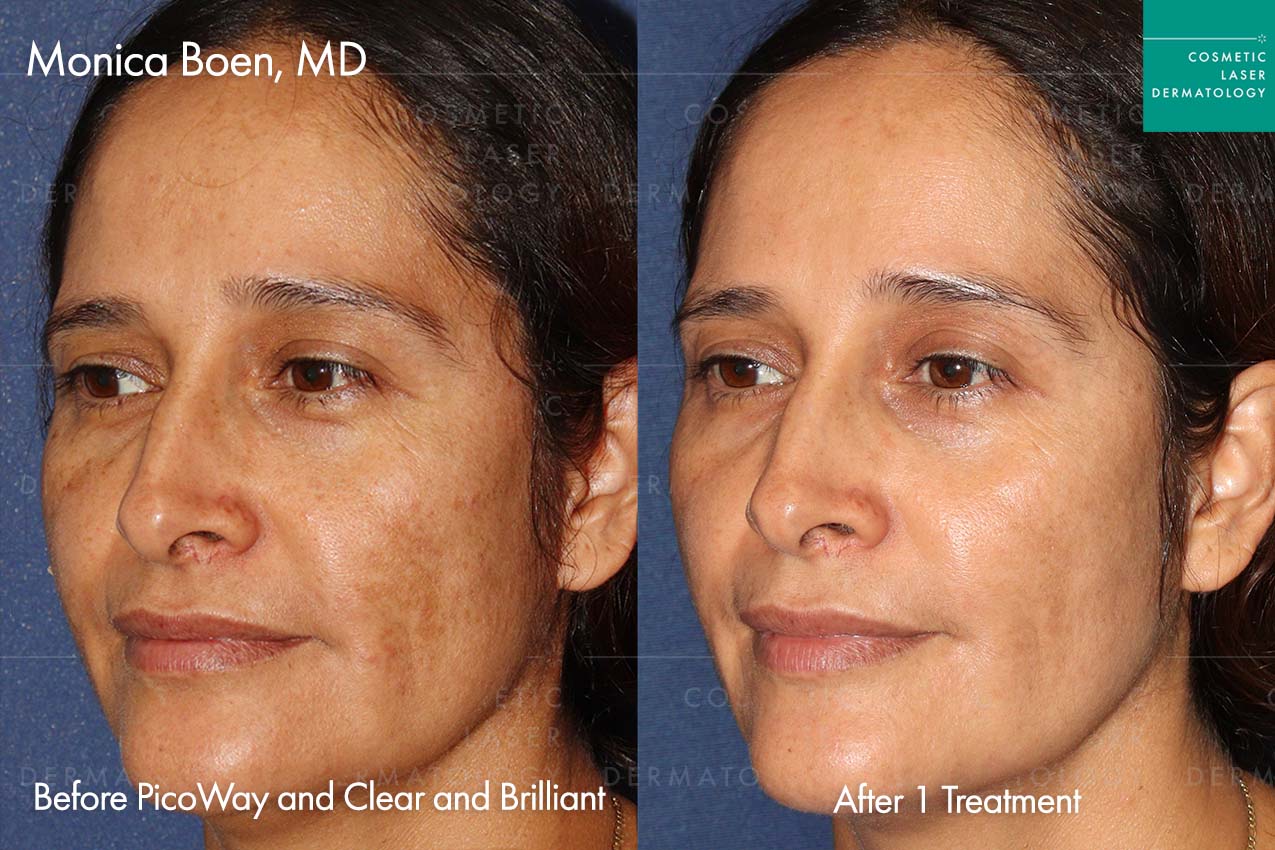
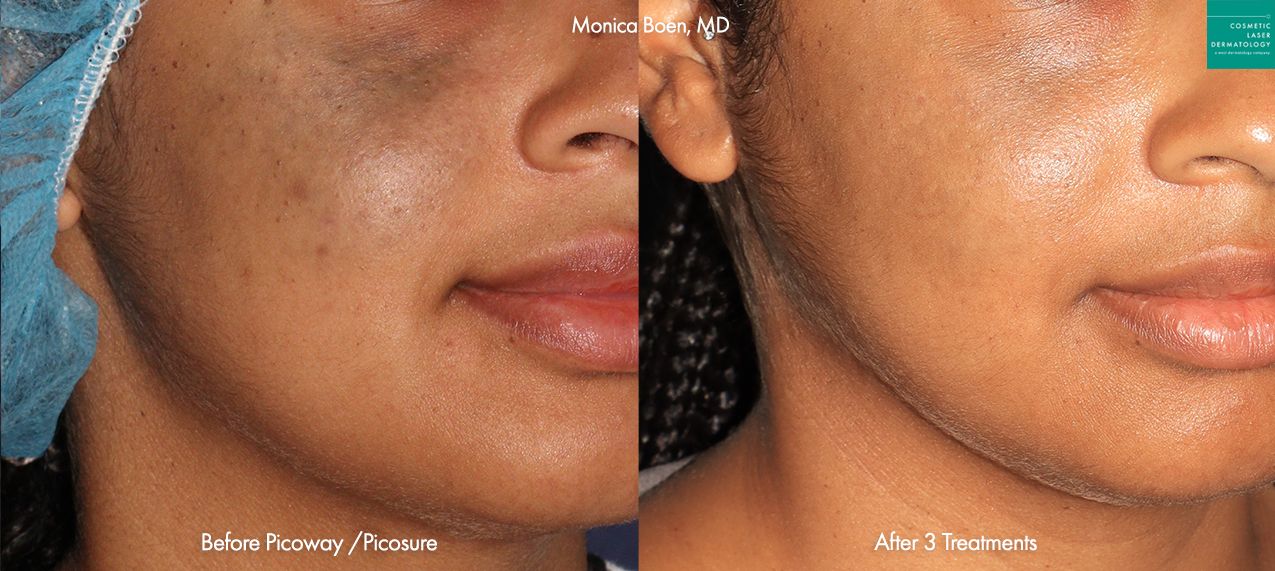
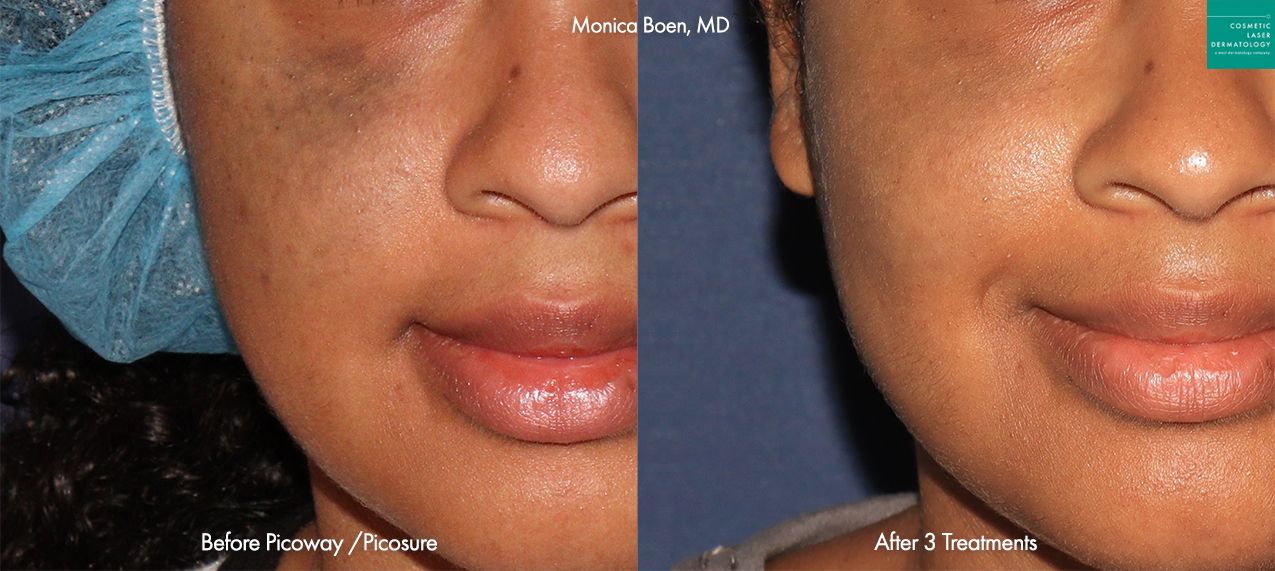
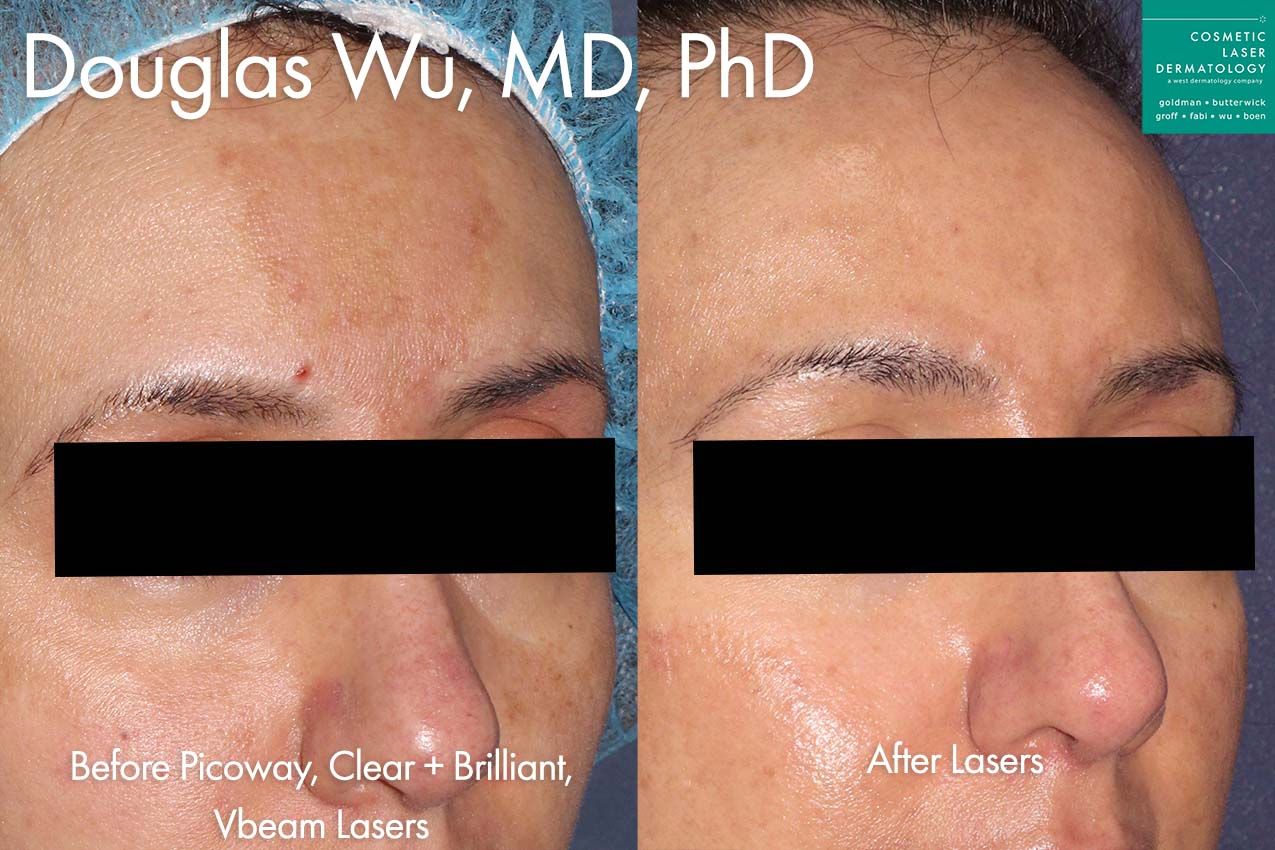
PicoWay and PicoSure use picosecond laser technology to target pigment with ultra-short pulses, helping break up melasma-related discoloration with minimal heat. This photomechanical approach supports even skin tone while limiting inflammation that can contribute to melasma recurrence. These lasers are often incorporated into combination treatment plans rather than used as standalone therapies.
Clear + Brilliant®
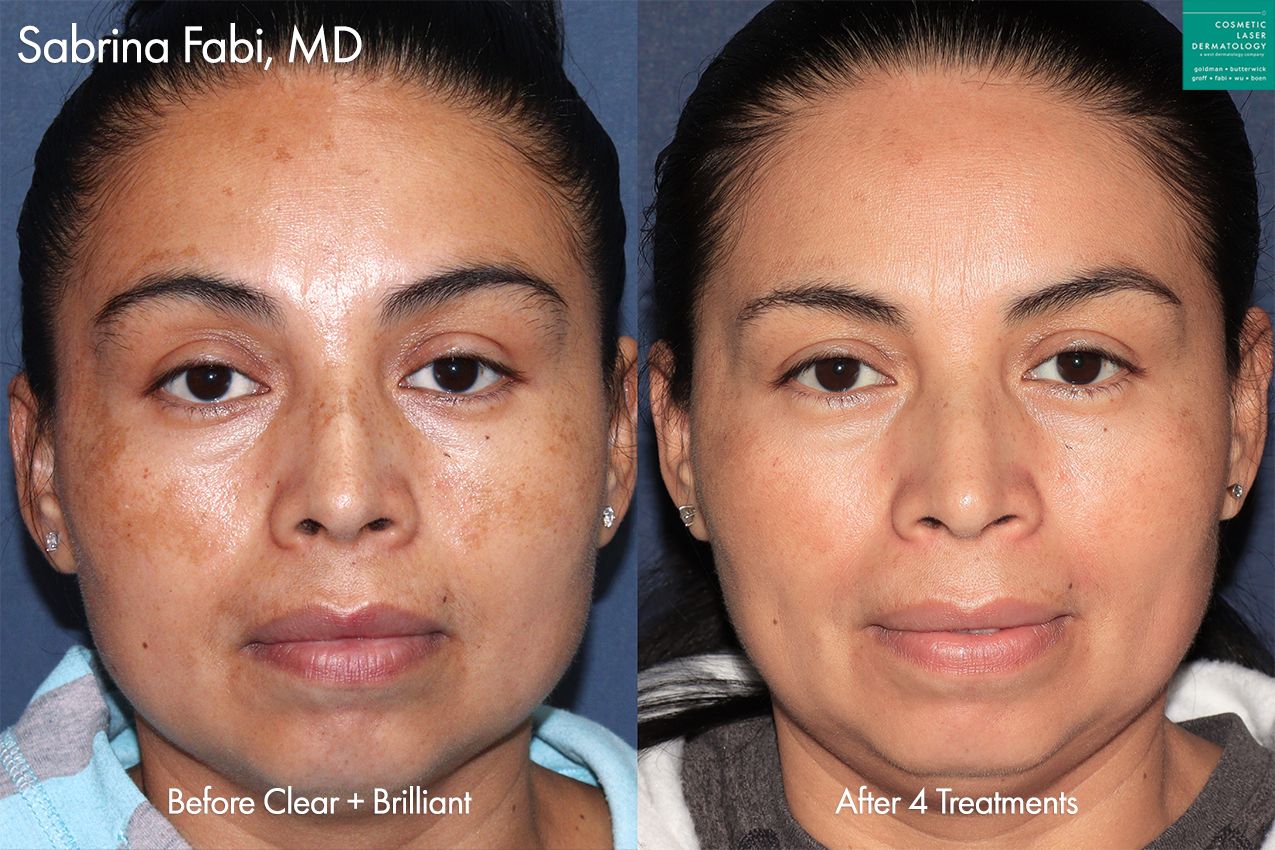
Clear + Brilliant is a gentle fractional laser that improves skin clarity, tone, and surface pigmentation with minimal downtime. For melasma-prone skin, it is often used to support gradual pigment improvement and enhance the penetration of medical-grade brightening products. This treatment is commonly incorporated into maintenance and long-term melasma.
Vbeam® and Cynergy Pulsed Dye Laser
Vbeam targets excess vascular activity in the skin, which can contribute to triggering and sustaining melasma. By reducing redness and underlying vascular signaling, Vbeam may help support pigment stability and improve overall skin tone when melasma is associated with inflammation. Treatments are customized and performed conservatively by board-certified dermatologists.
Custom Chemical Peels
Custom chemical peels are formulated to gently exfoliate the skin and suppress excess pigment production associated with melasma. When carefully selected and properly spaced, peels can help improve uneven tone while supporting healthy skin turnover without excessive irritation. Peel type and depth are always tailored to the individual patient’s skin type and melasma pattern.
Before and After Melasma Treatment



Hear From Our Happy Patients
 5/5 Stars
I trust Farzaneh Momeni completely with my skin. She is by far the best clinical aesthetician I’ve ever known. My skin has improved dramatically since I began monthly facials with her. Her treatments are 100% results-driven so if this is what you seek, look no further. Also, the entire Team at West Dermatology are top-notch. They’re always friendly, professional, & helpful, & greet everyone with a smile. 10 Stars all around!
My new regular cosmetic dermatology office. Dr Zubair is amazing and really patient with me. He has helped me over the last year with keloid scar removal, jaw Botox, and full facial acne scar treatment (ultra clear). The office is clean and the nursing/medical assistant staff is accommodating on all levels. I will always recommend this office and Dr Zubair to friends and family.
Most professional and most impressive! The service from the physicians to office staff is superb!
I live in Orange County and drove all the way out to see Dr. Wu because a friend of mine referred him (she had amazing results from her face and neck procedure). Dr. Wu is truly an artist! He made me feel extremely comfortable during my procedure. I was anxious when I got there, but he (and his staff) have such great energy and are so very kind and gentle that you can't help but feel at ease! The office was immaculate and they adhered to covid rules (sanitizing, temp checks, masks). This is my go-to place from now on and Dr. Wu is my go-to guy! Can't wait to see my final results! Thank you Phyllis (pre-op) for being so wonderful and informative! You were so very helpful and kind! I'll definitely be back!
Leysin and the entire team at Cosmetic Laser Dermatology are fantastic. They are professional, caring and communicative. The laser treatment was comfortable, efficient and effective! I highly recommend this practice. I definitely will come back and recommend her and Cosmetic Laser Dermatology to my family and friends.
Dr. Goldman is amazing! I came here for my permanent eyeliner removal (which is not offered anywhere near me), and they are completely removed in just one session. They use a special contact lens to protect your eyes from the laser, and there are no damages to my eyelashes. The healing was also nice and smooth. They have everything you need. I live almost 3 hours away, but it was totally worth the trip. For anyone who is looking to remove their permanent makeup, this is the right place to go :)-
Dr. Butterwick is fantastic, all of her team as well. They make sure your experience is pleasant and painless as possible. My tattoo removal and my injectables look amazing. I highly recommend her for any skin treatment.
Cosmetic Laser Dermatology was recommended to me by my dermatologist. He recommended Dr. Monica Boen. I'm so glad I took his recommendation. Everyone here at Cosmetic Laser Dermatology was super nice and friendly. Very welcoming. I came here for hair removal treatment. I did 4 sessions with Dr. Boen. Dr. Boen made me feel so comfortable and at ease when I talked to her. She explained everything before she did my treatment. I loved that. She was really easy to talk to. I definitely will come back and recommend her and Cosmetic Laser Dermatology to my family and friends.
This office is awesome. My visit today was with Dr. Groff. His bed side manner is so fun and welcoming. He understood my concerns and recommended a treatment plan that I feel was reasonable. I love his staff! They take there time to make sure you understand the treatment and after care. Everyone in the office, from the front desk to the nurses in the back, are so friendly and beautiful. They are very prompt and I trust my care with CLD. I can't wait for my next visit. See you guys in a few weeks!
"Dr. Sabrina Fabi is genius! Her technique is unlike anyone, her eye is precise, and her kindness and caring manner comes from the depth of her soul. She's simply brilliant! It's no wonder people travel the country just to be treated by her."
I wish I could give them 10 stars! I had such an awesome experience for my first visit and I am referring everyone I know to this office. From the super friendly staff to the state of the art procedures, they are the cream of the crop.
“I came to participate in a research study. All of the Doctors and staff at C.L. Dermatology are very professional, warm and friendly. All our my needs were anticipated and the hospitality of this office is like a five star hotel.”
Why You Will Love Cosmetic Laser Dermatology
Leaders in Laser Skin Treatments

Cosmetic Laser Dermatology is nationally recognized for setting the standard in advanced laser skin treatments. Our medical practice has helped pioneer many of the technologies and techniques used throughout aesthetic dermatology today.
Decades of Clinical Experience
With over 30 years of experience, the team brings unmatched insight to every consultation. This depth of knowledge allows for precise treatment planning and consistently strong outcomes.
Research Driven Dermatology Practice
As an award-winning research center, the practice has played a key role in clinical trials for many FDA approved treatments. This commitment to research ensures patients benefit from proven, science-backed innovations.
Expertise Treating All Skin Tones
Treatments are carefully designed to respect and protect melanin rich skin. This expertise is especially critical for conditions like melasma, where improper treatment can worsen pigmentation.
Advanced Laser Technology
With access to more than 60 laser, light, and energy based devices, treatment plans are never limited to a single option. This allows for highly precise, condition specific care.
Board-Certified Dermatologist Guided Aesthetic Care
Every plan is overseen by experienced dermatologists who prioritize safety, education, and realistic expectations. Patients receive thoughtful guidance and long-term support at every stage of their journey.
What to Expect from Melasma Treatment in San Diego
Cosmetic Laser Dermatology is proud to be San Diego’s trusted destination for advanced skin treatments. By choosing us, you can expect:
Personalized Evaluation
Your skin is carefully assessed to determine melasma type and depth.
Conservative Treatment Planning
Treatments prioritize pigment safety and long-term improvement.
Gradual Visible Results
Melasma fades progressively with continued care and maintenance.
Ongoing Support
Skin health guidance extends beyond the treatment room.
Our Renowned Dermatologists

We are proud to share that Dr. Goldman, Dr. Butterwick, Dr. Groff, Dr. Fabi, & Dr. Boen have once again been recognized as Castle Connolly Top Doctors in 2026!

Cosmetic Laser Dermatology has been voted Best Cosmetic Dermatology Practice in San Diego Magazine’s 2026 “Best of San Diego” readers’ poll!

Dr. William Groff was voted Best Cosmetic Dermatologist, Best Cosmetic Surgeon, and Best Dermatologist for 4 consecutive years by the San Diego Reader Best Poll.

Dr. Mitchel Goldman was voted #1 Cosmetic Dermatologist in America by Newsweek

Dr. William Groff was voted Best Cosmetic Dermatologist and Best Cosmetic Surgeon for 9 consecutive years by the San Diego U-T Best Readers Poll.

Drs. Goldman, Butterwick, and Fabi made the top 8 in Newsweek’s Best Cosmetic Dermatologists in America for the last two years in a row

Voted in the top 10% of Realself Doctors by achieving high patient satisfaction and getting favorable feedback on Q&A

Dr. William Groff was voted Best Dermatologist for 10 consecutive years and Best Cosmetic Surgeon for 9 consecutive years by the La Jolla Light Best Readers Poll.

Drs. Goldman, Butterwick, Groff, Fabi, and Boen were named Castle Connolly Top Doctors in 2025, making us one of the Top 3 Practices in California with the most Castle Connolly Top Doctors in Dermatology.

Dr. Boen has been recognized as a Top Doctor in 2023 and 2024 by San Diego County Medical Society.

Dr. Butterwick, is a distinguished facial cosmetic surgeon certified by the American Board of Facial
Cosmetic Surgery (ABFCS).

In 2026, Mitchel P. Goldman, MD, FAAD, received the Richard E. Fitzpatrick, MD Award from Masters of Aesthetics in recognition of his contributions to cosmetic dermatology and laser medicine. The honor reflects his longstanding leadership in research, physician education, and advancing aesthetic treatment.
Sabrina Fabi, MD has been named a finalist for Pioneer of the Year – Healthcare with San Diego Magazine’s Celebrating Women 2026


What is Melasma?
Also known as chloasma, melasma is a common skin condition that causes brown or gray discoloration, most often on the face. It typically appears in adulthood and is strongly linked to sun damage and hormonal changes, including pregnancy and birth control pills. While some cases fade on their own, many require professional treatment for lasting improvement.
Melasma Symptoms and Appearance
Melasma on the face most often affects:
- Cheeks
- Forehead
- Nose
- Chin
Patients frequently notice brown spots suddenly appearing on the skin, forming symmetrical patches. Since it is common during pregnancy, melasma is often referred to as the pregnancy mask.
Melasma vs Hyperpigmentation and Sun Spots
Melasma vs hyperpigmentation
Melasma is hormonally influenced and often recurring, while general hyperpigmentation is typically injury or inflammation based.
Melasma vs sun spots
Sun spots are localized and easier to remove, while melasma spreads more diffusely and requires a cautious approach.
What Causes Melasma
Chronic sun exposure
Ultraviolet light stimulates excess melanin production, making facial pigmentation darker and more persistent over time.
Hormonal fluctuations
Changes in estrogen and progesterone can trigger melasma, which is why it often appears during periods of hormonal imbalance.
Pregnancy
Often referred to as the pregnancy mask, melasma commonly develops during pregnancy due to increased hormone levels combined with sun exposure.
Genetic predisposition
Individuals with a family history of melasma may be more likely to develop the condition, especially when exposed to environmental triggers.
Heat and inflammation
Heat from the sun, exercise, or certain treatments can worsen pigmentation by increasing inflammation in the skin.
Melasma Treatment FAQ
Melasma is a chronic pigmentation condition caused by overproduction of melanin in the skin. It most commonly appears on the face because this area receives the highest level of daily sun exposure. Hormonal fluctuations, including pregnancy and oral contraceptives, also play a significant role in triggering melasma. Heat and genetic predisposition can further contribute to its development, making facial melasma especially persistent without professional care.
Safe melasma treatment requires a conservative and strategic approach that protects the skin barrier while gradually reducing pigment. Dermatologist guided laser treatments, medical grade skincare, and strict sun protection work together to improve discoloration without triggering inflammation. Aggressive treatments or excessive heat can worsen melasma and increase recurrence risk. A personalized plan is essential to achieve visible improvement while maintaining skin health.
Melasma is classified as a medical dermatologic condition and is often evaluated and treated with prescription topical or oral medications in a traditional dermatology setting. However, cosmetic laser treatments used to improve melasma are not covered by insurance. At Cosmetic Laser Dermatology, we focus on advanced laser and energy based treatments for patients seeking additional options beyond prescription management. Many patients choose to have laser treatment when initial therapies have not achieved any improvement. Then, they find that advanced laser treatments provide more noticeable and lasting results.
Melasma laser treatment helps control and significantly improve pigmentation, but it is not considered permanent. Because melasma is influenced by hormones and sun exposure, pigment can return over time. Maintenance treatments and ongoing skincare are key to sustaining results. Long term management focuses on reducing flare ups rather than complete elimination.
Yes, melasma can return even after successful treatment. Sun exposure, heat, hormonal changes, and inflammation are common triggers for recurrence. This is why ongoing sun protection and maintenance care are critical. Regular follow up with a dermatologist helps keep pigmentation under control and prevents worsening over time.
When performed by experienced dermatologists using pigment conscious technology, melasma treatment is safe for darker skin tones. Treatment plans are designed to respect higher melanin levels and reduce the risk of post inflammatory hyperpigmentation. Conservative laser settings and gradual improvement are prioritized to protect natural skin color. Choosing an experienced practice such as Cosmetic Laser Dermatology is essential for safe and effective outcomes.
Yes, melasma is very common in ethnic skin tones, including Hispanic, Indian, Asian, Middle Eastern, and Mediterranean skin. These skin types typically have higher melanin activity, which increases susceptibility to pigment disorders. Sun exposure and heat can trigger stronger pigment responses in ethnic skin, making melasma more noticeable and persistent. This is why treatment must be carefully selected to protect natural skin color while reducing discoloration.
Brown spots that appear suddenly on the face may be melasma, but they can also be sun spots or other forms of hyperpigmentation. Melasma usually presents as symmetrical patches rather than isolated spots and often develops gradually. A professional evaluation is important to determine the exact cause and rule out other skin conditions. Early diagnosis helps guide safer and more effective treatment options.
Melasma treatment results develop gradually rather than immediately. Most patients notice improvement after several weeks as pigment begins to fade and skin tone becomes more even. Because melasma is a chronic condition, consistent treatments and proper sun protection are essential for continued progress. Long term improvement focuses on control and maintenance rather than rapid correction.
Yes, a custom chemical peel can help improve melasma by gently lifting superficial pigment and encouraging skin renewal. Chemical peels are carefully selected based on skin tone, melasma depth, and sensitivity to avoid triggering inflammation. When performed under dermatologist supervision, peels can enhance skin brightness and improve overall tone while supporting laser treatments. For best results, chemical peels are often combined with medical grade skincare and strict sun protection as part of a comprehensive melasma treatment plan.
Join our
Inner Circle Referral Program
Get $100 Off* Botox or Dysport for You and Your Friend

Contact Us


Keep in Touch

©2026 All Rights Reserved. Design & Development by Goldman Marketing Group | Sitemap | Privacy Policy | Open Payments Notice | Official Practice Information | If you are vision-impaired or have some other impairment covered by the Americans with Disabilities Act or a similar law, and you wish to discuss potential accommodations related to using this website, please contact us at 858.943.2113.
