
Sun Damage Treatment
Life in San Diego means sunshine—but years of UV exposure can leave behind sunspots, uneven tone, and visible damage that ages your skin. Our advanced laser treatments restore a clearer, more youthful complexion with natural-looking results.

How Sun Damage Treatments Can Improve Your Skin

Dr. Boen's Top Tips for Protecting Your Skin from the Sun
Erase 5 Years of Sun Damage in One Treatment
Discover Three Treatments for Sun Damaged Skin
Learn More About When Sun Damage Begins
Treatments for Severe Sun Damage
Our Top Treatments for Sunspots and Melasma
Your Sun Damage Treatment Options in San Diego
Laser and light treatments

Precision devices target sunspots on face, redness, and uneven tone with customized settings for your skin.
Chemical peels and exfoliating treatments
Controlled exfoliation temporarily lifts dull, damaged surface cells and brightens the appearance of sun damage on skin.
RF microneedling
RF microneedling supports collagen and elastic fiber production while improving tone and texture in sun damaged areas.
Medical grade skincare
Clinically backed topical routines help prevent new discoloration and support results between in office visits.
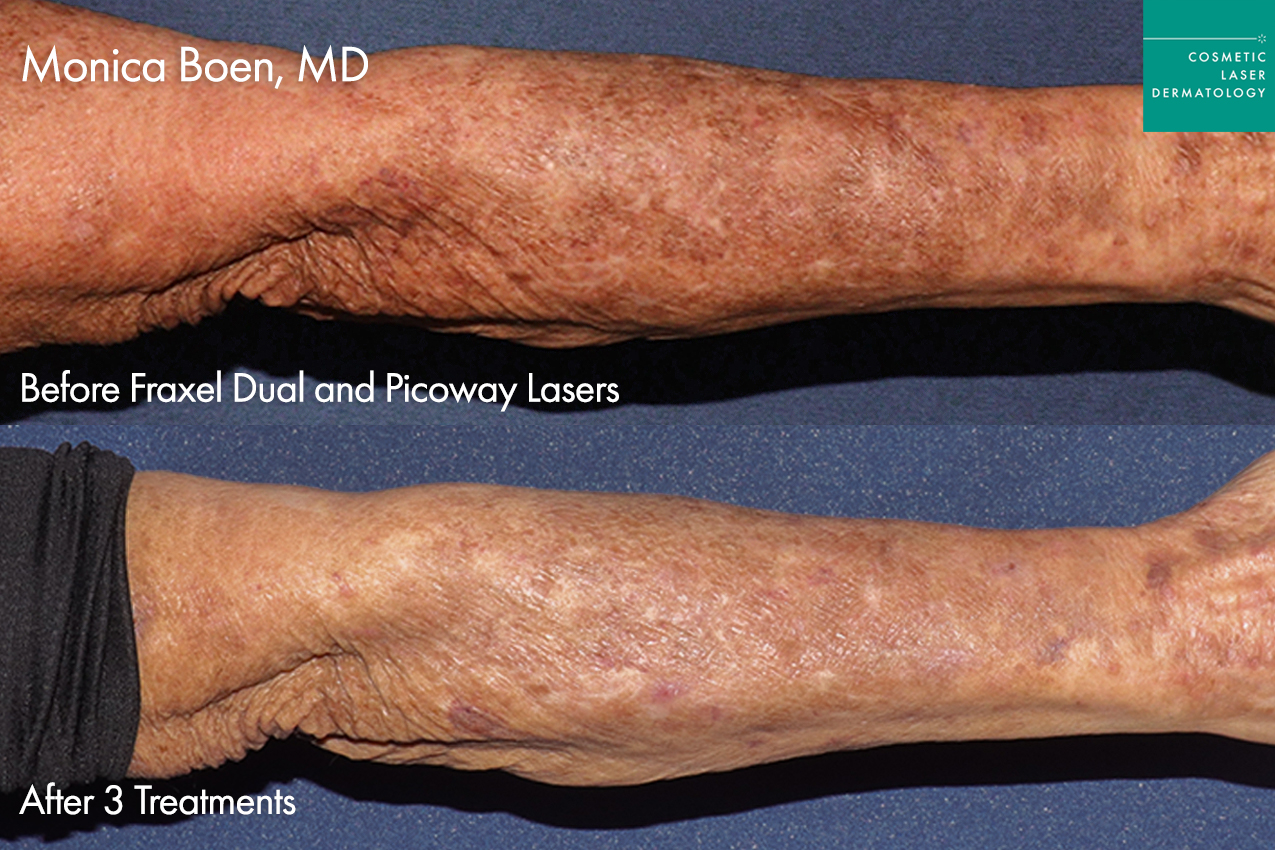
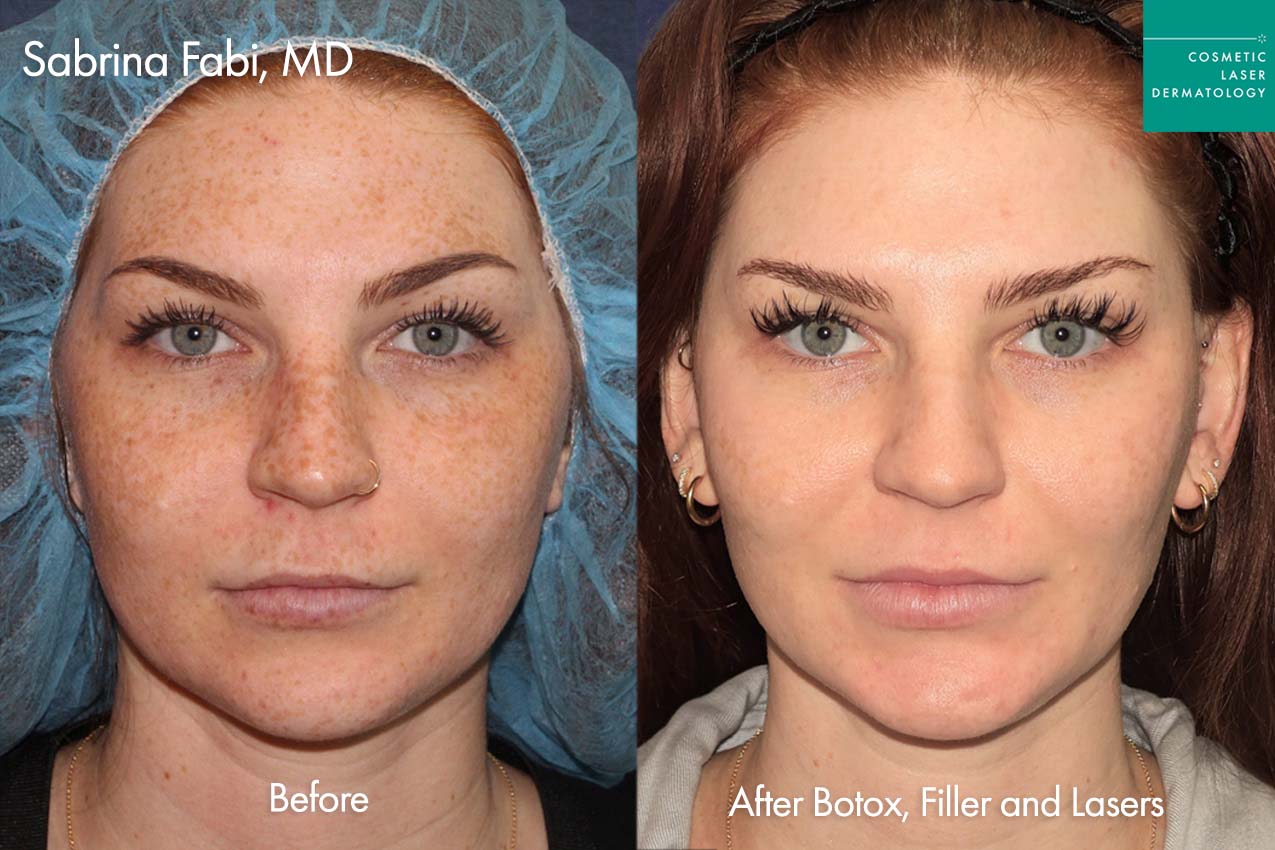
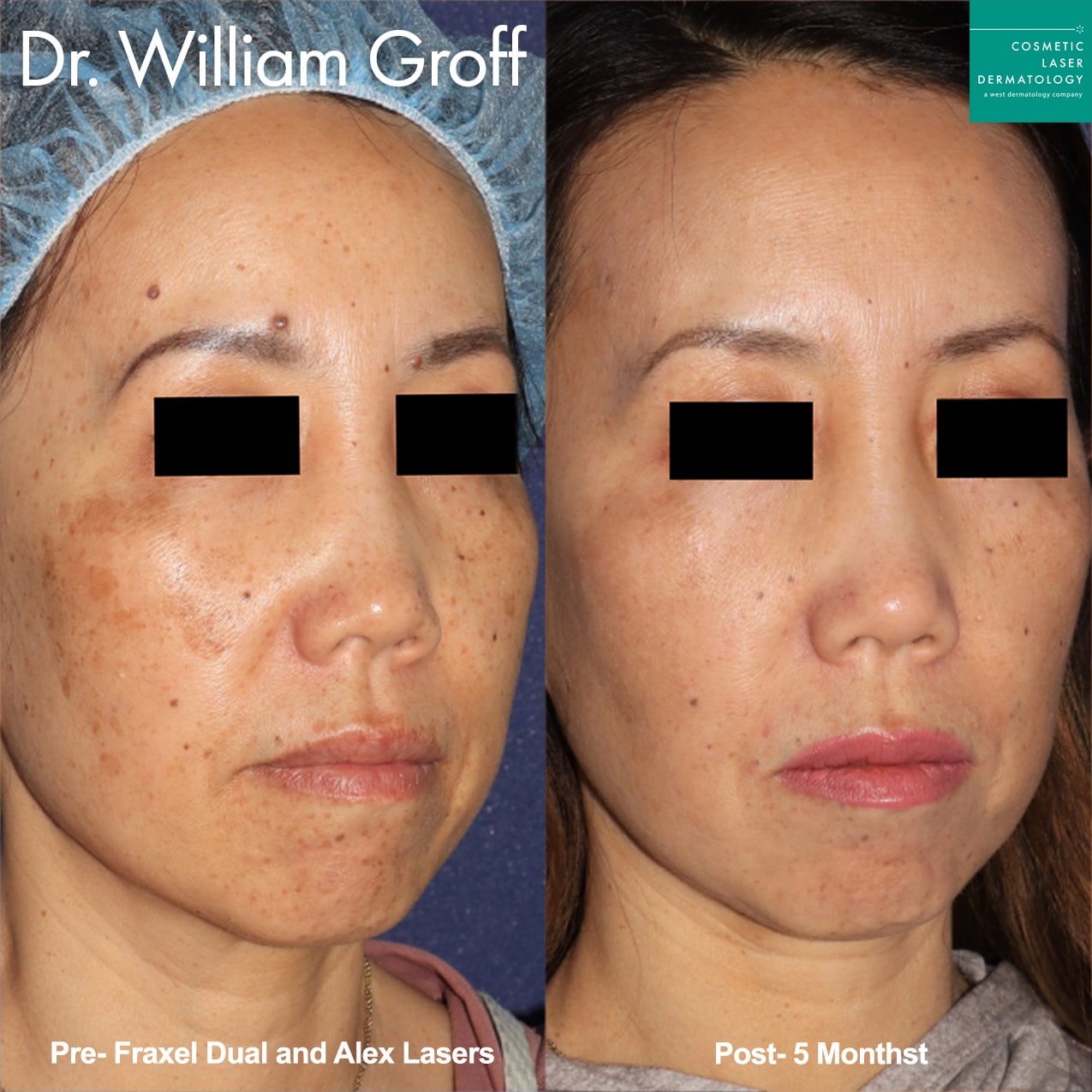
Sun Damage Laser Treatment Before and After


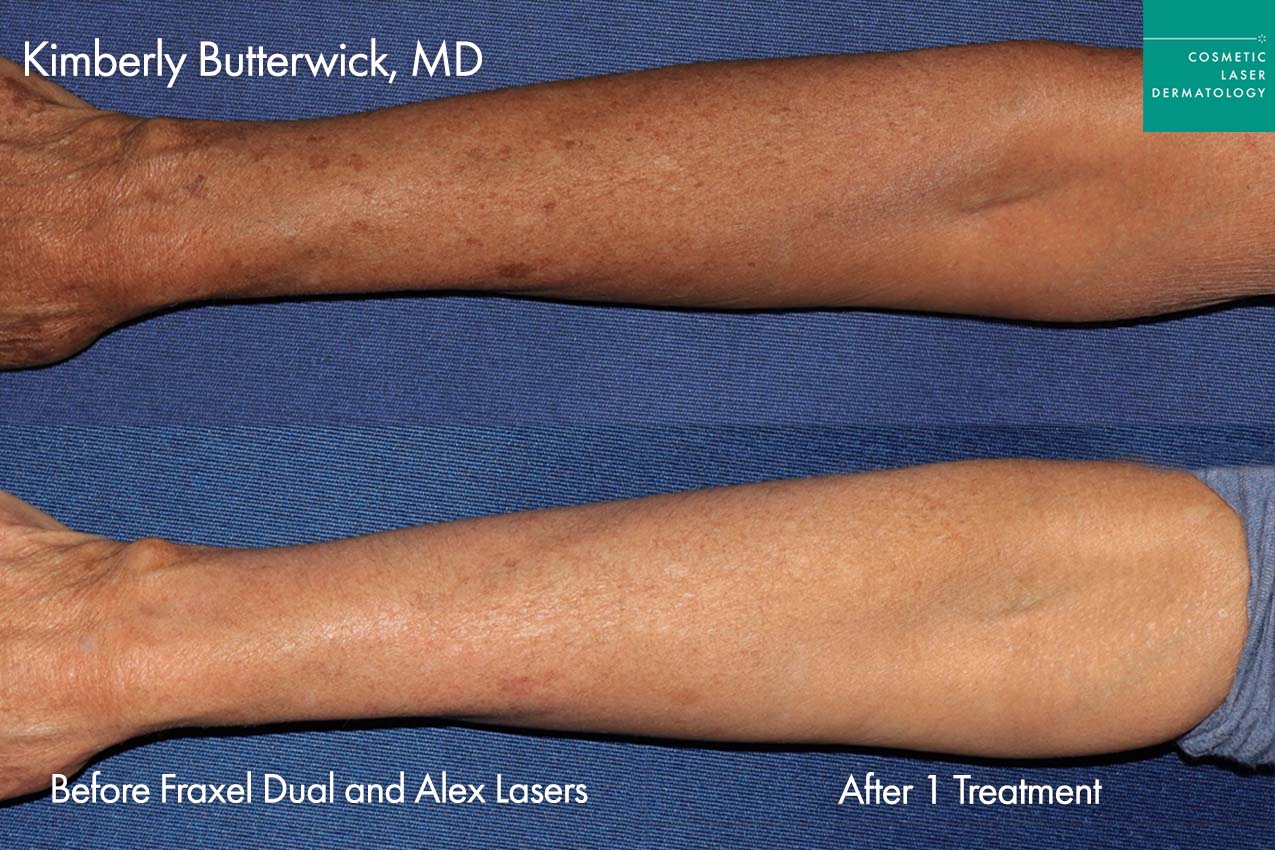
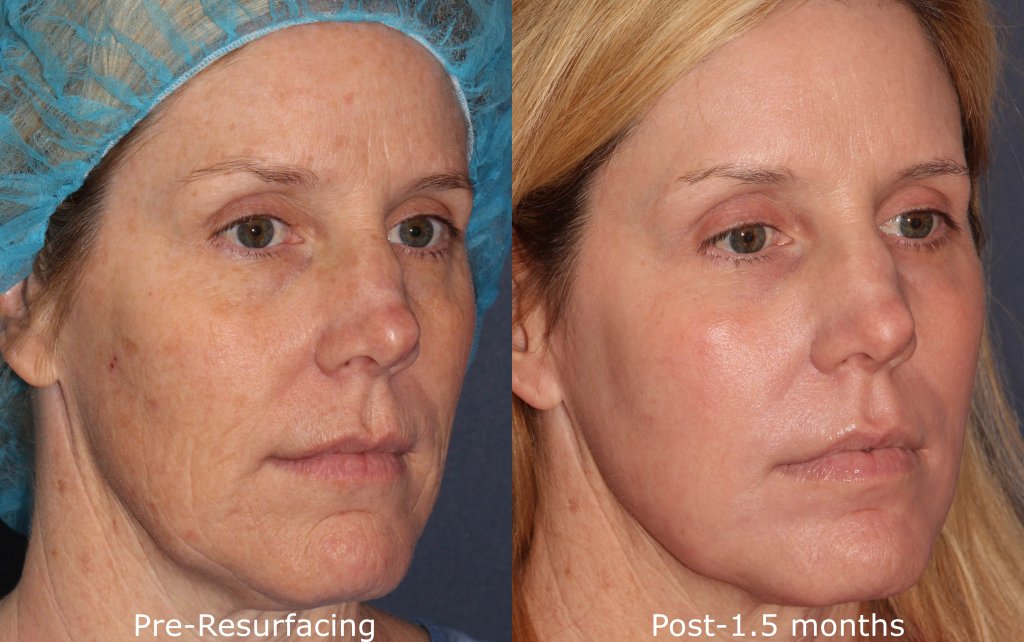

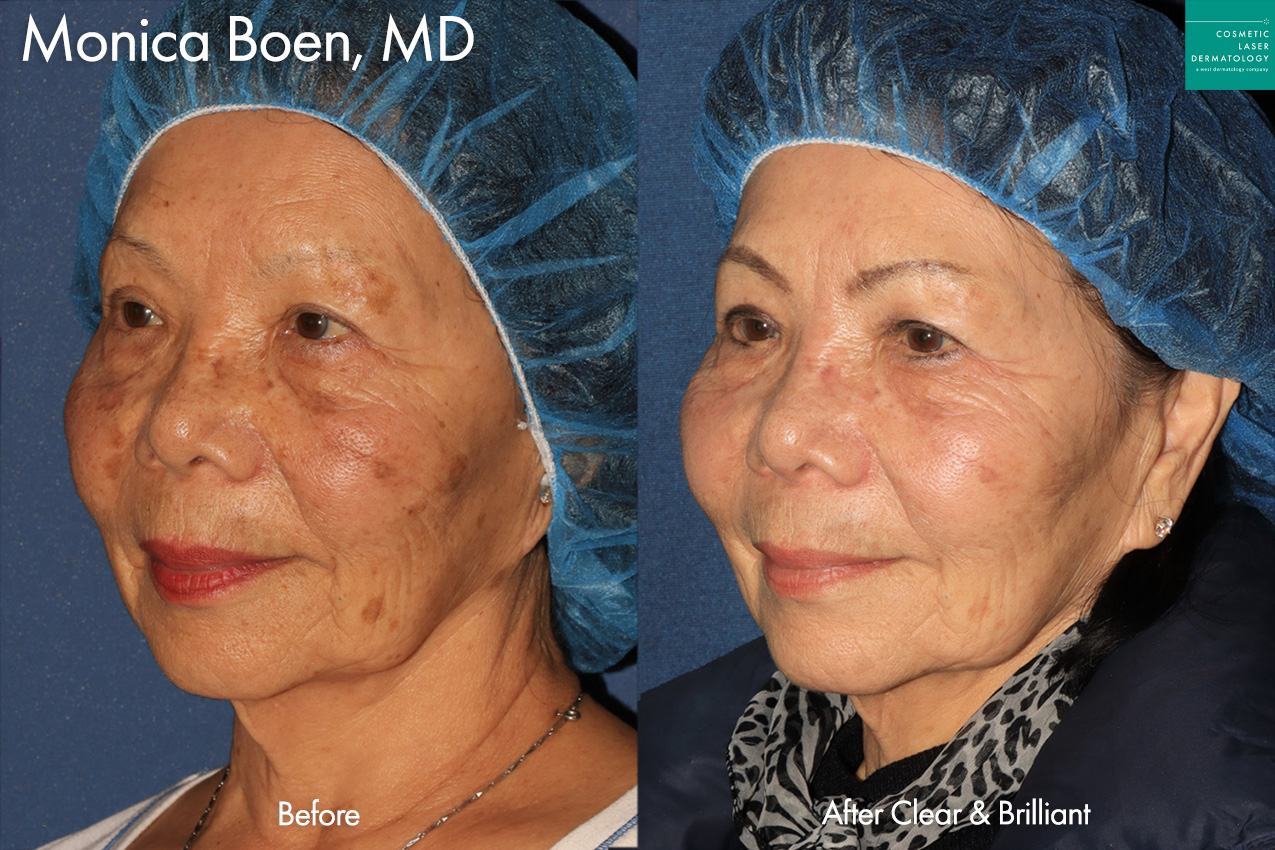
Advanced Treatments for Sun Damage
Laser treatment for sun damage delivers precise energy to pigment in the skin so the discolored areas gradually break up and fade as the body clears the fragments. Depending on how deep and stubborn the discoloration is, the best treatment for sunspots on the face may involve a single laser or Intense Pulsed Light or a combination plan for more comprehensive improvement. Your health is our priority. Before beginning any treatment, it is important to consult with a board certified dermatologist to determine if sun damaged skin shows any signs or risks of skin cancer.
Take5™ Sun Damage Treatment
Take5 is a proprietary combination laser treatment designed to address mild to moderate sun damage on skin with minimal interruption to your daily routine. Take5 helps reduce sunspots, uneven pigmentation, and visible redness. Take5 goes beyond sun damage treatment by softening fine lines, smoothing skin texture, and enhancing overall tone to help you look up to five years younger.
Take10™
Take10 is a more advanced, proprietary sun damage treatment that uses multiple lasers to address pigmentation, texture irregularities, and overall skin quality at different depths. This comprehensive approach supports more noticeable improvement while stimulating collagen and elastic fiber production for smoother, more even looking skin over time. Take10 treatment addresses more than visible sun damage, helping refresh your appearance and restore a more youthful look that can take ten years off your face.
UltraClear®
UltraClear is an advanced cold fiber laser that improves sun damage on the face by targeting pigmentation, fine lines, and uneven texture with controlled precision. It stimulates collagen renewal with minimal downtime and is safe and effective for all skin tones.
3DMIRACL™
3DMIRACL is a non-ablative laser treatment designed to improve sun damage on the skin by addressing discoloration, texture concerns, and early signs of aging. By delivering energy at multiple skin depths, it enhances skin clarity and smoothness while remaining safe and effective for all skin tones
Intense Pulsed Light (IPL)
IPL uses high-intensity pulses of light to target discoloration and visible redness, supporting a clearer-looking tone and texture. At Cosmetic Laser Dermatology, we use the Lumenis Stellar M22 IPL for a broad range of concerns related to sun-damage treatment.
Q Switched Ruby and Q Switched Alexandrite Lasers
These pigment targeting lasers use specific wavelengths to break up abnormal pigment so dark spots can fade more evenly.
PicoSure and PicoWay
Picosecond lasers deliver fast energy pulses to help improve hyperpigmentation with an efficient treatment cadence for many patients.
Fraxel Dual and Fraxel Re:pair
Fraxel Dual targets pigment and overall skin quality with fractional resurfacing, while Fraxel Re:pair is ablative and may be selected for more advanced visible aging and texture concerns.
Clear + Brilliant
A gentle fractional resurfacing option that helps improve early signs of aging, uneven pigmentation, and mild sun damage on face with minimal disruption.
Photodynamic Therapy (PDT)
Also known as ALA treatment or Levulan or Ameluz photofacial, PDT combines a topical photosensitizer with light therapy to stimulate cell turnover for clearer looking skin. It can also target underlying sun damaged cells that may not be visible on the surface.
ActiveFX, DeepFX and Sciton Lasers
CO2 and Er:YAG lasers penetrate deeper layers to address sun damage on skin, discoloration, and additional signs of aging.
ResurFX
ResurFX non-ablative photo fractional laser that resurfaces and rejuvenates the skin to improve tone and texture while also softening fine lines.
RF MICRONEEDLING
Radiofrequency microneedling with Potenza RF combines collagen induction therapy with RF energy to improve tone, texture, and overall skin quality. It can be a strong option when sun damaged skin also has roughness, enlarged pores, or early lines, since it supports collagen and elastic fiber production as the skin renews.
CHEMICAL PEELS
If discoloration is mild or you want a quick refresh, chemical peels can help lift dull surface damage and brighten uneven tone. Options may include 3xFacial and JetPeel, depending on your skin type and goals, with many patients appreciating the minimal downtime. Also, the 3xFacial can be customized and helps reduce sun damage temporarily.
MICRODERMABRASION
Microdermabrasion uses a vacuum tip handpiece and fine crystals to remove a very thin surface layer of skin. It can help improve the look of rough texture, fine lines, and mild discoloration, and it often pairs well with other sun damage treatment options for a polished finish.
SKINCARE
Professional in office care works best when it is supported by a smart at-home routine. We offer medical-grade skin care for sun-damaged skin and sunscreen options from SkinCeuticals, SkinMedica, Calecim, Neocutis, Isdin, and Sente to help protect results and reduce the likelihood of new spots.
HEAR FROM OUR HAPPY PATIENTS
 5/5 STARS

I trust Farzaneh Momeni completely with my skin. She is by far the best clinical aesthetician I’ve ever known. My skin has improved dramatically since I began monthly facials with her. Her treatments are 100% results-driven so if this is what you seek, look no further. Also, the entire Team at West Dermatology are top-notch. They’re always friendly, professional, & helpful, & greet everyone with a smile. 10 Stars all around!

My new regular cosmetic dermatology office. Dr Zubair is amazing and really patient with me. He has helped me over the last year with keloid scar removal, jaw Botox, and full facial acne scar treatment (ultra clear). The office is clean and the nursing/medical assistant staff is accommodating on all levels. I will always recommend this office and Dr Zubair to friends and family.

Most professional and most impressive! The service from the physicians to office staff is superb!

I live in Orange County and drove all the way out to see Dr. Wu because a friend of mine referred him (she had amazing results from her face and neck procedure). Dr. Wu is truly an artist! He made me feel extremely comfortable during my procedure. I was anxious when I got there, but he (and his staff) have such great energy and are so very kind and gentle that you can't help but feel at ease! The office was immaculate and they adhered to covid rules (sanitizing, temp checks, masks). This is my go-to place from now on and Dr. Wu is my go-to guy! Can't wait to see my final results! Thank you Phyllis (pre-op) for being so wonderful and informative! You were so very helpful and kind! I'll definitely be back!

Leysin and the entire team at Cosmetic Laser Dermatology are fantastic. They are professional, caring and communicative. The laser treatment was comfortable, efficient and effective! I highly recommend this practice. I definitely will come back and recommend her and Cosmetic Laser Dermatology to my family and friends.

Dr. Goldman is amazing! I came here for my permanent eyeliner removal (which is not offered anywhere near me), and they are completely removed in just one session. They use a special contact lens to protect your eyes from the laser, and there are no damages to my eyelashes. The healing was also nice and smooth. They have everything you need. I live almost 3 hours away, but it was totally worth the trip. For anyone who is looking to remove their permanent makeup, this is the right place to go :)-

Dr. Butterwick is fantastic, all of her team as well. They make sure your experience is pleasant and painless as possible. My tattoo removal and my injectables look amazing. I highly recommend her for any skin treatment.

Cosmetic Laser Dermatology was recommended to me by my dermatologist. He recommended Dr. Monica Boen. I'm so glad I took his recommendation. Everyone here at Cosmetic Laser Dermatology was super nice and friendly. Very welcoming. I came here for hair removal treatment. I did 4 sessions with Dr. Boen. Dr. Boen made me feel so comfortable and at ease when I talked to her. She explained everything before she did my treatment. I loved that. She was really easy to talk to. I definitely will come back and recommend her and Cosmetic Laser Dermatology to my family and friends.

This office is awesome. My visit today was with Dr. Groff. His bed side manner is so fun and welcoming. He understood my concerns and recommended a treatment plan that I feel was reasonable. I love his staff! They take there time to make sure you understand the treatment and after care. Everyone in the office, from the front desk to the nurses in the back, are so friendly and beautiful. They are very prompt and I trust my care with CLD. I can't wait for my next visit. See you guys in a few weeks!

"Dr. Sabrina Fabi is genius! Her technique is unlike anyone, her eye is precise, and her kindness and caring manner comes from the depth of her soul. She's simply brilliant! It's no wonder people travel the country just to be treated by her."

I wish I could give them 10 stars! I had such an awesome experience for my first visit and I am referring everyone I know to this office. From the super friendly staff to the state of the art procedures, they are the cream of the crop.
“I came to participate in a research study. All of the Doctors and staff at C.L. Dermatology are very professional, warm and friendly. All our my needs were anticipated and the hospitality of this office is like a five star hotel.”
Why you’ll love us
Expertise that matches your skin
Your plan is guided by board-certified dermatologists who understand how sun damage on face can vary by depth, tone, and skin type.
A plan built for natural looking results
We focus on visible improvement without an overdone look, using the right combination of treatments and skin care for sun damage.
Advanced technology under one roof
With an unmatched range of lasers, light, and energy devices, we can match the best approach to your specific sunspots and overall skin goals.
Long-term maintenance support
You will receive guidance on medical grade products and sunscreen, so results stay consistent and future sun damage on skin is minimized.
Our Renowned Dermatologists
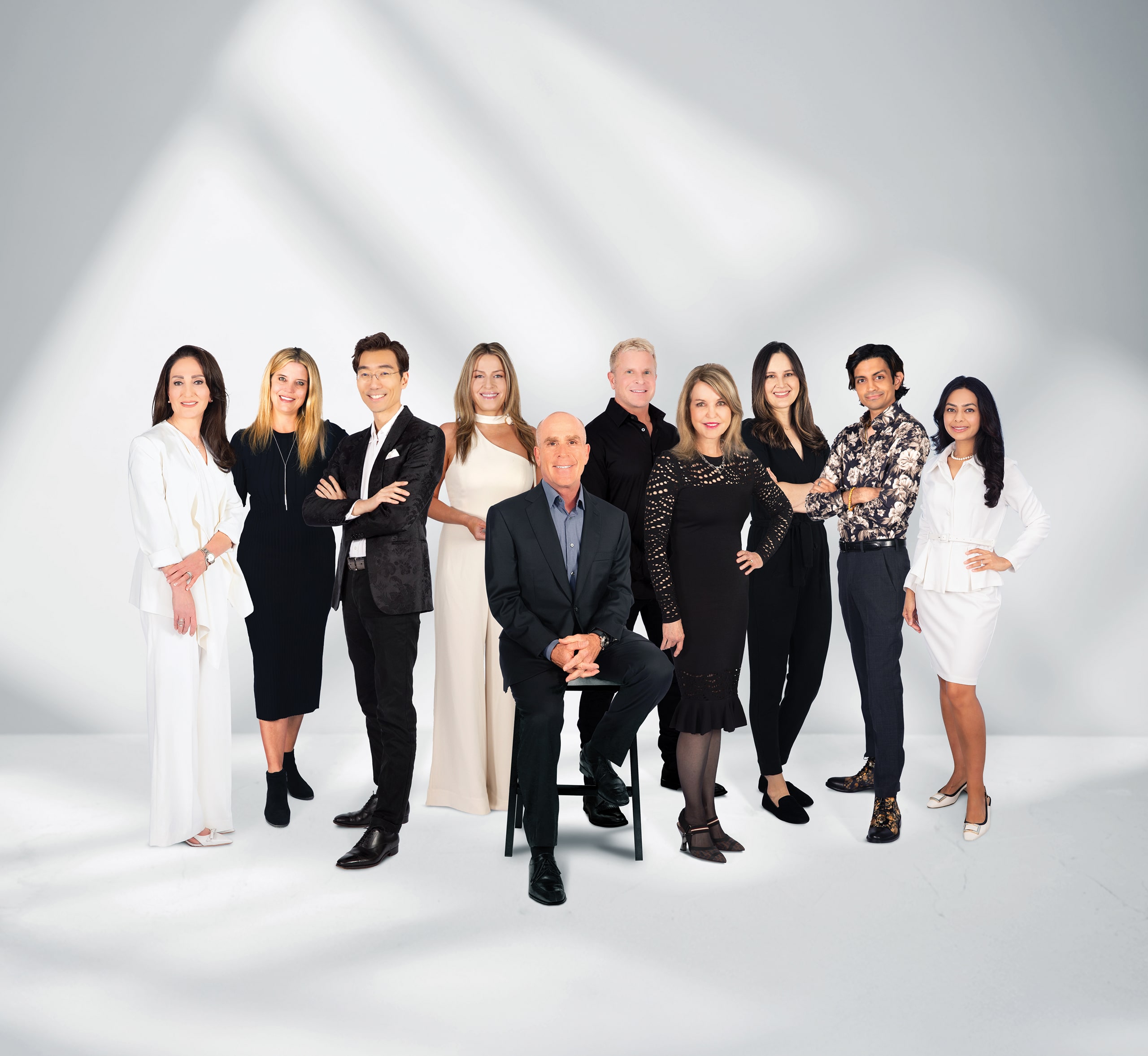
We are proud to share that Dr. Goldman, Dr. Butterwick, Dr. Groff, Dr. Fabi, & Dr. Boen have once again been recognized as Castle Connolly Top Doctors in 2026!

Cosmetic Laser Dermatology has been voted Best Cosmetic Dermatology Practice in San Diego Magazine’s 2025 “Best of San Diego” readers’ poll!

Dr. William Groff was voted Best Cosmetic Dermatologist, Best Cosmetic Surgeon, and Best Dermatologist for 4 consecutive years by the San Diego Reader Best Poll.
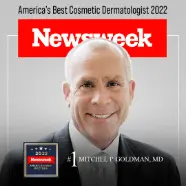
Dr. Mitchel Goldman was voted #1 Cosmetic Dermatologist in America by Newsweek

Dr. William Groff was voted Best Cosmetic Dermatologist and Best Cosmetic Surgeon for 8 consecutive years by the San Diego U-T Best Readers Poll.

Drs. Goldman, Butterwick, and Fabi made the top 8 in Newsweek’s Best Cosmetic Dermatologists in America for the last two years in a row

Voted in the top 10% of Realself Doctors by achieving high patient satisfaction and getting favorable feedback on Q&A

Dr. William Groff was voted Best Dermatologist for 10 consecutive years and Best Cosmetic Surgeon for 9 consecutive years by the La Jolla Light Best Readers Poll.
Drs. Goldman, Butterwick, Groff, Fabi, and Boen were named Castle Connolly Top Doctors in 2025, making us one of the Top 3 Practices in California with the most Castle Connolly Top Doctors in Dermatology.

Dr. Boen has been recognized as a Top Doctor in 2023 and 2024 by San Diego County Medical Society.
Dr. Butterwick, is a distinguished facial cosmetic surgeon certified by the American Board of Facial
Cosmetic Surgery (ABFCS).











Understanding Sun Damage and Sunspots
Sun damage on skin develops gradually from repeated UV exposure, especially in coastal environments where sunlight is a daily constant. Over time, this exposure disrupts normal melanin production, leading to visible discoloration such as sunspots on skin and uneven tone, most commonly affecting the sun damage on face.
What are sunspots?
Sunspots are flat, freckle-like areas of excess pigment that range in size and often fade more slowly than freckles.
Are freckles sun damage?
Some freckles are genetic and darken with sun exposure, while others are the result of cumulative UV damage and behave more like sunspots.
What causes sunspots?
Chronic sun exposure is the primary cause, which is why sunspots on the face frequently appear in areas most exposed to daily sunlight.
When evaluation matters?
While many sunspots on skin are harmless, new or changing spots should be assessed to rule out more serious conditions.
Sun Damage Treatment FAQ
What are sunspots is one of the most common questions we hear, especially from patients noticing new discoloration on the face and hands. Sunspots on skin form when UV exposure triggers uneven melanin production, creating flat brown spots that can become more noticeable over time. They are often called age spots because they develop gradually with cumulative sun exposure, not because they appear overnight. A consultation helps confirm whether a spot appears benign or needs medical evaluation.
What causes sunspots on the face can include years of incidental sun exposure from driving, walking outdoors, and weekend activities, even with good sun-protection habits. Sunscreen is essential, but missed reapplication, partial coverage, and earlier years without consistent protection all add up. In San Diego, UV exposure can be strong year round, which increases cumulative risk. The right sun damage treatment can fade existing spots while daily protection helps reduce future darkening.
Most freckles are inherited and simply darken with sun, while other pigmented spots are more directly tied to UV-related skin changes and are more likely to persist. Our dermatologists can assess your pigmentation pattern and recommend the most effective approach.
The best treatment for sunspots on the face depends on how deep the pigment sits, how widespread it is, and whether you also have redness or texture concerns. IPL can be ideal for diffuse discoloration and redness, while Q switched or picosecond lasers can target more defined pigment. Fractional resurfacing options can improve both tone and texture when sun damage on face includes roughness and early wrinkle lines. Many patients see the strongest results with a combination approach.
Some patients notice improvement after one visit, while others benefit from a series, especially when sun damage on skin is deeper or more widespread. Your treatment plan is based on spot depth, skin tone, and how aggressively you want to treat the area. Because pigment can reemerge with UV exposure, maintenance and consistent skin care for sun damage are often part of long term success. Your provider will outline what is realistic for your timeline.
Lasers can dramatically fade sunspots on skin and improve overall tone, but results vary based on depth of pigment and ongoing sun exposure. Some spots lighten significantly, while others may require a staged plan using multiple technologies. A consistent sunscreen routine and medical grade skin care for sun damage helps prevent darkening and supports longer lasting clarity. Your dermatologist will set expectations and recommend the best path for your skin.
Yes, but the safest approach starts with the right device selection and conservative settings. Many patients with sensitive or reactive skin do well with gentle resurfacing options or carefully selected light based treatments. Pre and post care also matters, including calming topicals and strict sun protection. During your consultation, we will review your history and build a plan designed for comfort and safety.
Think of in-office care as the reset and home care as the protection plan. Daily broad spectrum sunscreen, reapplication, and protective habits are essential in San Diego, even on cloudy days as 70% of ultraviolet rays go through the clouds. Medical grade skin care for sun damage, such as targeted brightening ingredients and skin barrier support, can also help reduce the look of new discoloration. We will recommend a routine that fits your skin type and lifestyle.
Join our
Inner Circle Referral Program
Get $100 Off* Botox or Dysport for You and Your Friend

Contact Us
Keep in Touch
©2026 All Rights Reserved. Design & Development by Goldman Marketing Group | Sitemap | Privacy Policy | Official Practice Information | If you are vision-impaired or have some other impairment covered by the Americans with Disabilities Act or a similar law, and you wish to discuss potential accommodations related to using this website, please contact us at 858.943.2113.