Search Results for: Face

Ozempic Face Treatment: How to Restore Facial Volume and Tighten Sagging Skin
Blog Updated: November 24, 2026 Dermal fillers, biostimulators, laser resurfacing, and skin tightening treatments can help address the facial volume loss, hollow cheeks, wrinkles, and sagging skin commonly associated with Ozempic face. Significant weight loss with GLP-1 medications such as Ozempic® and Wegovy® can change facial contours and make signs of aging more noticeable. At

Good, Better, and Best Face Tightening Options [Updated December 2021]
Radiant, smooth, natural, and youthful-looking. These are qualities we always want to use to describe our skin. Unfortunately, with aging comes a decline in facial volume and elasticity. Loss of fat, thinning skin, smaller or larger muscles, and loss of bone density often lead to unattractive, wrinkled, loose, and sagging skin. The good news is,
Brand-New Restylane Lyft for Mid-Face
At Cosmetic Laser Dermatology, we are proud to be on the very forefront of cosmetic procedures, and we are excited to announce the launch of brand-new Restylane Lyft. We have long used Restylane products, including Restylane, Perlane, and Restylane Silk, and we look forward to being able to offer Restylane Lyft in the near future as
Facelift Without Fright: Ulthera!
Picture this—a facial rejuvenation treatment that can take years off your appearance, continue to promote collagen growth long after you’ve undergone the procedure, and tighten and smooth your skin all without ever having to make an incision. Sounds too good to be true, right? Think again! At Cosmetic Laser Dermatology in San Diego, our team
Stand firm in the face of gravity—with Ultherapy™!
Ultrasound, a technology that has been trusted by expectant mothers for decades, is now being used in a whole new type of cosmetic procedure that actually tightens loose skin on the face and neck without surgery. This procedure, called Ulthera™ or Ultherapy™, is the first and only energy-based procedure in aesthetics to be cleared by

Brown Spots, Redness, and Uneven Texture: How to Treat Sun-Damaged Skin
Living in San Diego or Southern California means enjoying sunshine throughout much of the year, but it also makes protecting your skin from UV exposure an everyday priority. Even with consistent sunscreen use, years of sun exposure can leave visible signs of sun-damaged skin on the face, including brown spots, persistent redness, fine lines, and
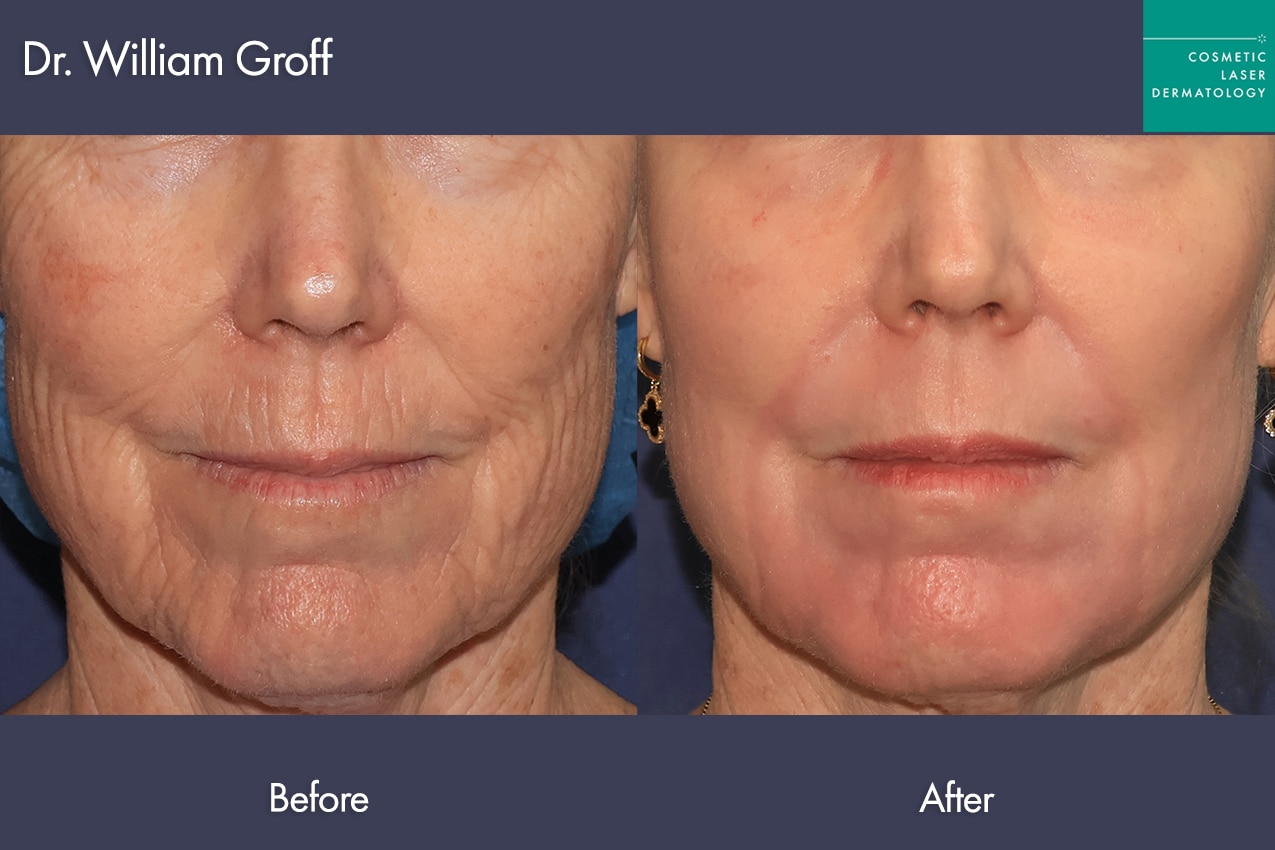
Can Laser Resurfacing Improve Deep Wrinkles Around the Mouth?
Wrinkles around the mouth can become more noticeable over time, especially when fine lines develop into deeper creases. While skincare products may help improve the skin’s appearance, deeper wrinkles often require a more advanced approach. Fortunately, laser resurfacing can help soften deep wrinkles around the mouth, improve skin texture, and restore a smoother, more youthful

Beyond Facial Fillers: Why Biostimulators Are Changing Volume Restoration
Facial volume restoration is becoming more thoughtful, with greater emphasis on restoring support without creating an overfilled appearance. At Cosmetic Laser Dermatology in San Diego, our board-certified dermatologists evaluate where facial volume has changed, how much correction is appropriate, and whether dermal fillers, biostimulators, or a combination may provide the most natural looking result. Biostimulators

What is XERF Skin Tightening and How Does it Work?
XERF skin tightening is a noninvasive radiofrequency treatment designed to improve mild to moderate skin laxity through areas such as the face, jawline, and neck. By delivering controlled radiofrequency energy at different tissue depths, a XERF treatment supports fibroblastic function to enhance hyaluronic acid, collagen, and elastic fiber production for gradual changes in skin firmness
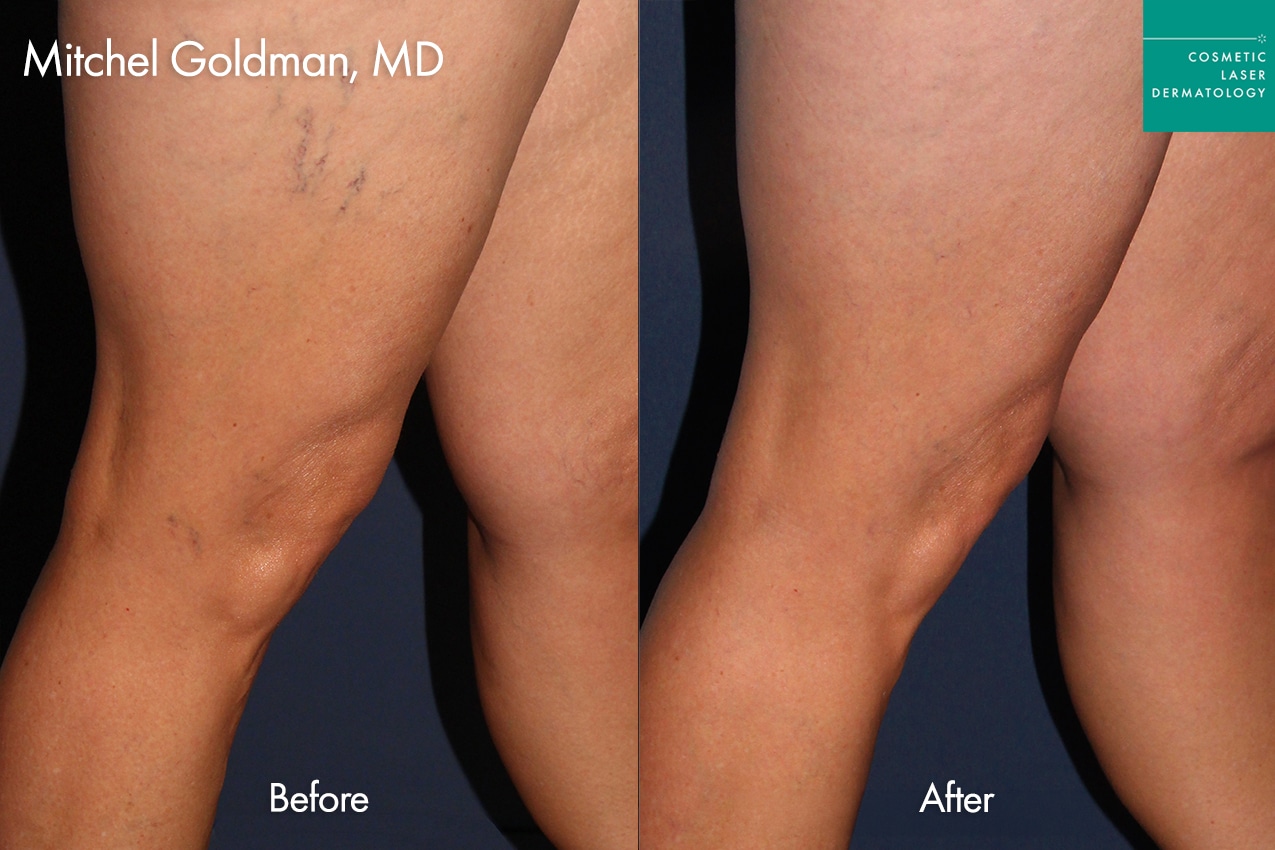
What Doctor is Most Qualified to Perform Sclerotherapy?
A board-certified dermatologist with extensive training in vein diagnosis and treatment is highly qualified to perform sclerotherapy. However, a medical title alone does not confirm expertise. Patients should also consider the physician’s experience with sclerotherapy, knowledge of venous anatomy, treatment volume, complication management, and access to alternative vein treatments when injections are not the best