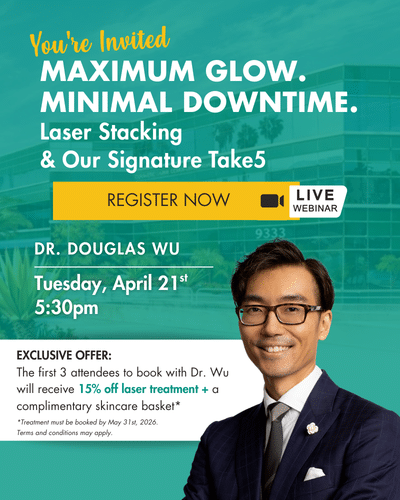

Seborrheic Keratosis Treatment
Remove rough, raised, or waxy skin growths with seborrheic keratosis treatment. Our board-certified dermatologists use advanced laser and light treatments to safely eliminate seborrheic keratoses with minimal downtime, restoring smoother, clearer skin.
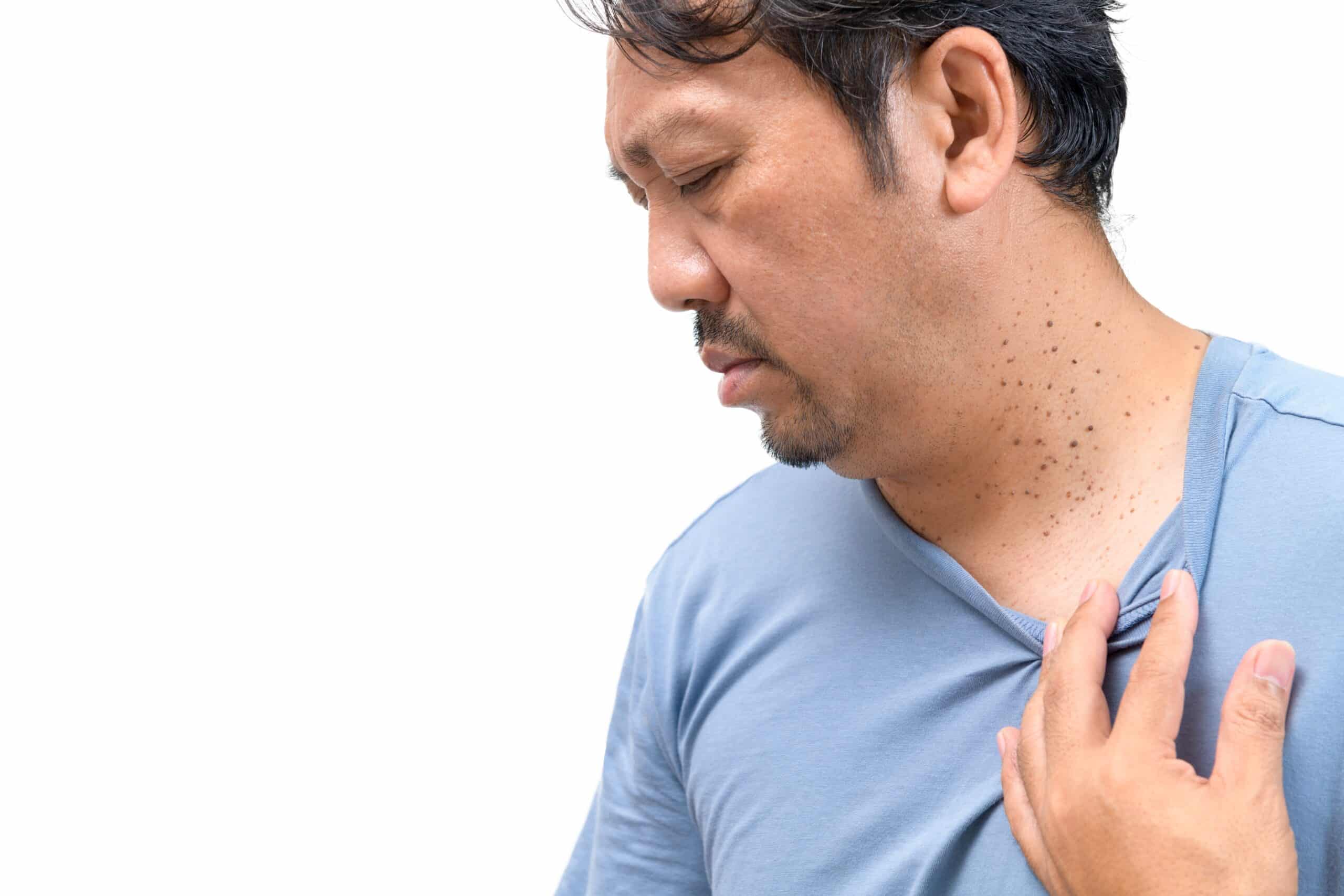

Watch Dr. Wu Break Down How the PicoWay Laser Works
Check Out More Information About Our Laser Treatments
What We Can Treat with Seborrheic Keratosis Removal
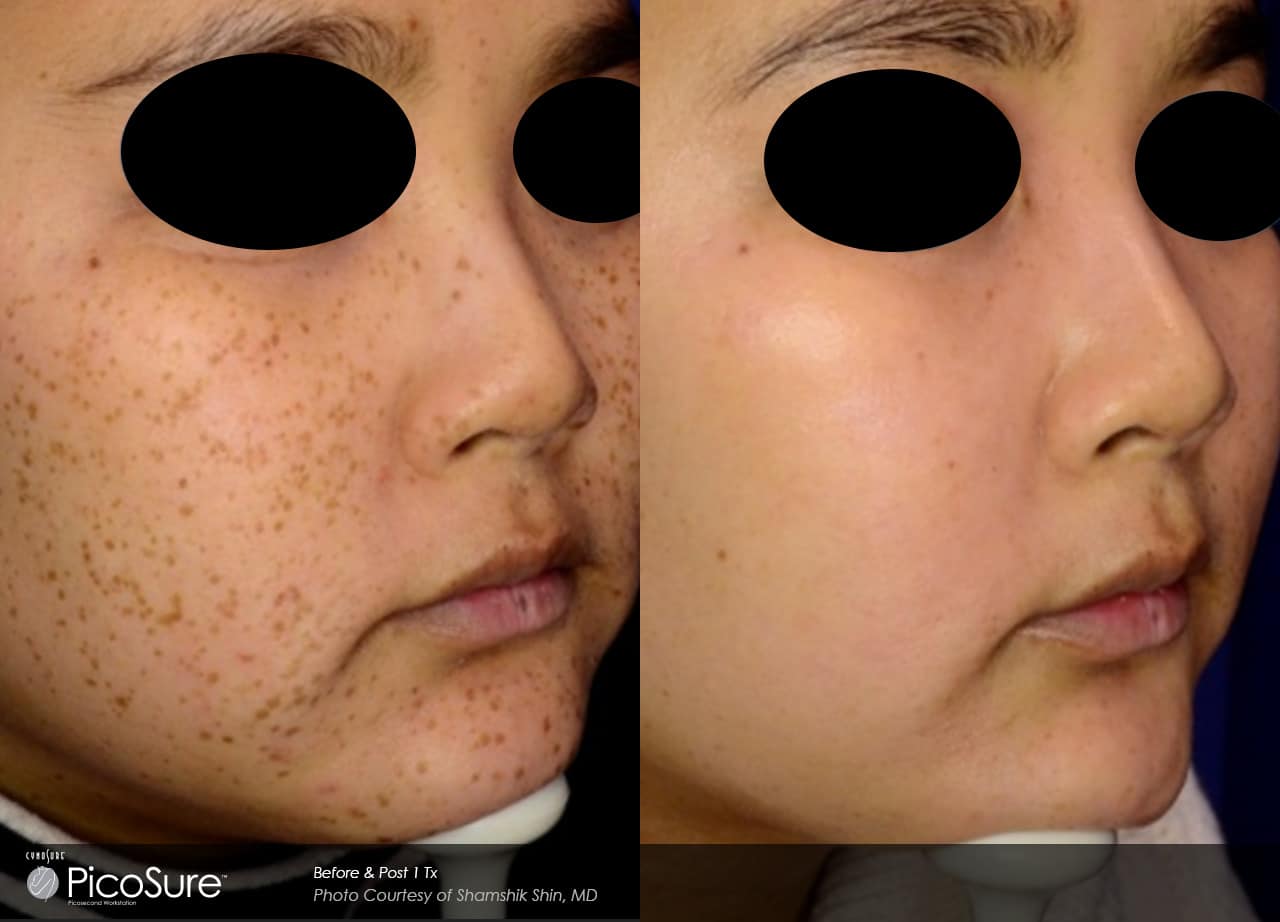
Before and After Images Laser Treatments

HEAR FROM OUR HAPPY PATIENTS
 5/5 STARS

I trust Farzaneh Momeni completely with my skin. She is by far the best clinical aesthetician I’ve ever known. My skin has improved dramatically since I began monthly facials with her. Her treatments are 100% results-driven so if this is what you seek, look no further. Also, the entire Team at West Dermatology are top-notch. They’re always friendly, professional, & helpful, & greet everyone with a smile. 10 Stars all around!

My new regular cosmetic dermatology office. Dr Zubair is amazing and really patient with me. He has helped me over the last year with keloid scar removal, jaw Botox, and full facial acne scar treatment (ultra clear). The office is clean and the nursing/medical assistant staff is accommodating on all levels. I will always recommend this office and Dr Zubair to friends and family.

Most professional and most impressive! The service from the physicians to office staff is superb!

I live in Orange County and drove all the way out to see Dr. Wu because a friend of mine referred him (she had amazing results from her face and neck procedure). Dr. Wu is truly an artist! He made me feel extremely comfortable during my procedure. I was anxious when I got there, but he (and his staff) have such great energy and are so very kind and gentle that you can't help but feel at ease! The office was immaculate and they adhered to covid rules (sanitizing, temp checks, masks). This is my go-to place from now on and Dr. Wu is my go-to guy! Can't wait to see my final results! Thank you Phyllis (pre-op) for being so wonderful and informative! You were so very helpful and kind! I'll definitely be back!

Leysin and the entire team at Cosmetic Laser Dermatology are fantastic. They are professional, caring and communicative. The laser treatment was comfortable, efficient and effective! I highly recommend this practice. I definitely will come back and recommend her and Cosmetic Laser Dermatology to my family and friends.

Dr. Goldman is amazing! I came here for my permanent eyeliner removal (which is not offered anywhere near me), and they are completely removed in just one session. They use a special contact lens to protect your eyes from the laser, and there are no damages to my eyelashes. The healing was also nice and smooth. They have everything you need. I live almost 3 hours away, but it was totally worth the trip. For anyone who is looking to remove their permanent makeup, this is the right place to go :)-

Dr. Butterwick is fantastic, all of her team as well. They make sure your experience is pleasant and painless as possible. My tattoo removal and my injectables look amazing. I highly recommend her for any skin treatment.

Cosmetic Laser Dermatology was recommended to me by my dermatologist. He recommended Dr. Monica Boen. I'm so glad I took his recommendation. Everyone here at Cosmetic Laser Dermatology was super nice and friendly. Very welcoming. I came here for hair removal treatment. I did 4 sessions with Dr. Boen. Dr. Boen made me feel so comfortable and at ease when I talked to her. She explained everything before she did my treatment. I loved that. She was really easy to talk to. I definitely will come back and recommend her and Cosmetic Laser Dermatology to my family and friends.

This office is awesome. My visit today was with Dr. Groff. His bed side manner is so fun and welcoming. He understood my concerns and recommended a treatment plan that I feel was reasonable. I love his staff! They take there time to make sure you understand the treatment and after care. Everyone in the office, from the front desk to the nurses in the back, are so friendly and beautiful. They are very prompt and I trust my care with CLD. I can't wait for my next visit. See you guys in a few weeks!

"Dr. Sabrina Fabi is genius! Her technique is unlike anyone, her eye is precise, and her kindness and caring manner comes from the depth of her soul. She's simply brilliant! It's no wonder people travel the country just to be treated by her."

I wish I could give them 10 stars! I had such an awesome experience for my first visit and I am referring everyone I know to this office. From the super friendly staff to the state of the art procedures, they are the cream of the crop.
“I came to participate in a research study. All of the Doctors and staff at C.L. Dermatology are very professional, warm and friendly. All our my needs were anticipated and the hospitality of this office is like a five star hotel.”
Advanced Laser Treatment Options for Seborrheic Keratoses
Our board-certified dermatologists use state-of-the-art laser, light, and energy devices to safely remove seborrheic keratoses while refining skin tone and texture. Your customized treatment plan may include one or more of these advanced technologies:
Q-Switched Ruby Laser

An effective option for seborrheic keratosis removal, delivering targeted energy that breaks up pigmented lesions while protecting surrounding tissue. The Q-switched Ruby is part of our comprehensive collection of laser, light, and energy devices.
Q-Switched Alexandrite Laser
Provides excellent clearance of pigmented growths such as seborrheic keratoses, offering fast, selective treatment. This advanced laser system can effectively address various pigmented lesions with reduced healing time.
PicoSure® Laser
Uses ultra-short picosecond pulses to target pigmented lesions efficiently, making it an excellent choice for treating seborrheic keratoses. PicoSure’s advanced photomechanical technology minimizes disruption to the epidermis, leading to enhanced comfort, reduced skin redness, and faster skin clearance.
PicoWay® Laser
A powerful picosecond device that treats pigmentation in the epidermis and dermis with exceptional accuracy. PicoWay creates tiny optical densities deep within the skin, stimulating the production of collagen, elastic fiber, and hyaluronic acid, resulting in improved skin tone and clarity.
Why You'll Love Us
Over 35 Years of Excellence
With more than three decades of expertise in aesthetic dermatology, we’ve perfected advanced techniques for safe, effective seborrheic keratosis removal.
60+ Laser, Light, and Energy Devices
Our extensive collection of cutting-edge technology, including Fraxel®, CO₂, and Erbium lasers, allows us to customize treatment for every skin type and concern.
Board-Certified Dermatologists
We’ve conducted 300+ clinical studies since 1984, often treating patients with advanced technologies years before they receive FDA approval.
Minimal Downtime
Most patients experience only mild redness or flaking for a few days before revealing smoother, clearer skin. Individual results may vary.
Personalized Treatment Plans
We design each removal plan based on your unique lesion characteristics, skin tone, sensitivity, and aesthetic goals for truly customized care.
Our Renowned Dermatologists
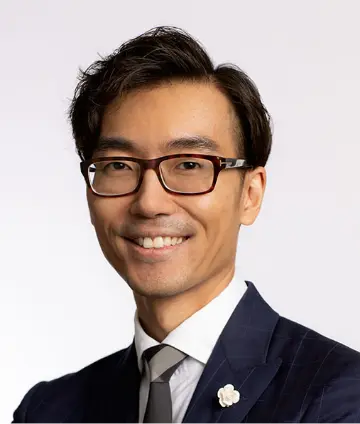
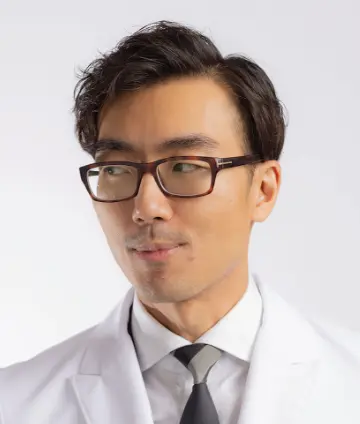
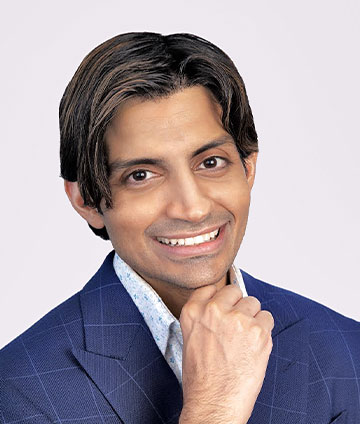
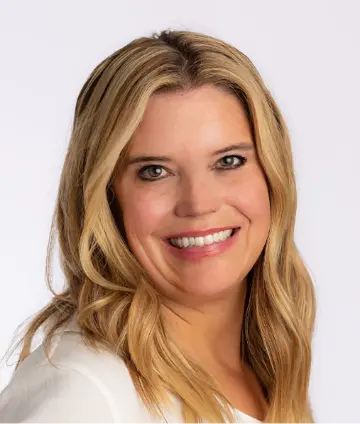
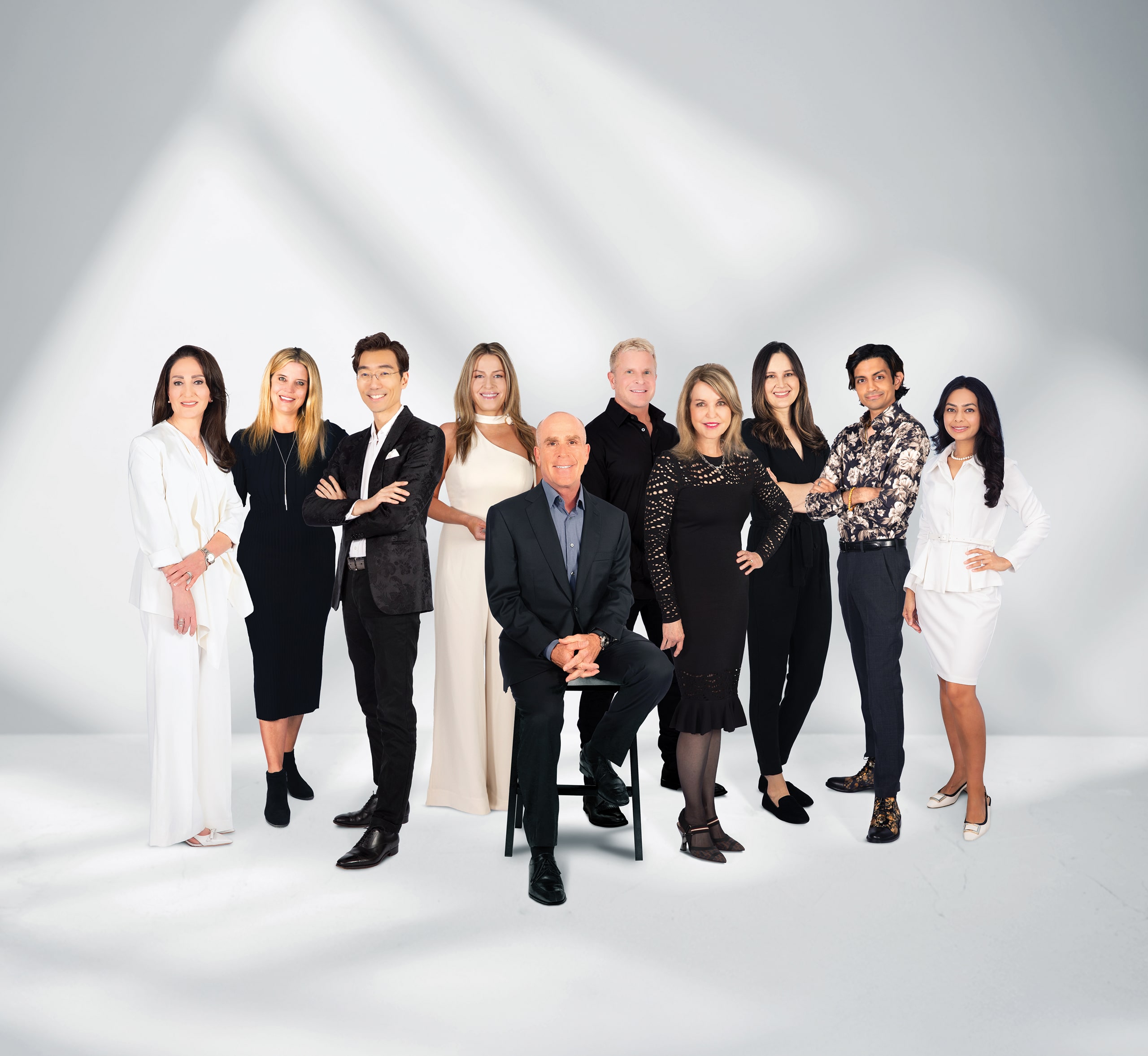
We are proud to share that Dr. Goldman, Dr. Butterwick, Dr. Groff, Dr. Fabi, & Dr. Boen have once again been recognized as Castle Connolly Top Doctors in 2026!

Cosmetic Laser Dermatology has been voted Best Cosmetic Dermatology Practice in San Diego Magazine’s 2025 “Best of San Diego” readers’ poll!
Dr. William Groff was voted Best Cosmetic Dermatologist, Best Cosmetic Surgeon, and Best Dermatologist for 4 consecutive years by the San Diego Reader Best Poll.
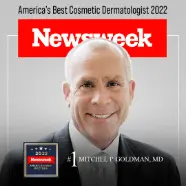
Dr. Mitchel Goldman was voted #1 Cosmetic Dermatologist in America by Newsweek

Dr. William Groff was voted Best Cosmetic Dermatologist and Best Cosmetic Surgeon for 8 consecutive years by the San Diego U-T Best Readers Poll.
Drs. Goldman, Butterwick, and Fabi made the top 8 in Newsweek’s Best Cosmetic Dermatologists in America for the last two years in a row

Voted in the top 10% of Realself Doctors by achieving high patient satisfaction and getting favorable feedback on Q&A

Dr. William Groff was voted Best Dermatologist for 10 consecutive years and Best Cosmetic Surgeon for 9 consecutive years by the La Jolla Light Best Readers Poll.
Drs. Goldman, Butterwick, Groff, Fabi, and Boen were named Castle Connolly Top Doctors in 2025, making us one of the Top 3 Practices in California with the most Castle Connolly Top Doctors in Dermatology.

Dr. Boen has been recognized as a Top Doctor in 2023 and 2024 by San Diego County Medical Society.
Dr. Butterwick, is a distinguished facial cosmetic surgeon certified by the American Board of Facial
Cosmetic Surgery (ABFCS).







Seborrheic Keratosis FAQs
These benign growths typically develop due to aging, genetics, and cumulative sun exposure over the years. They are completely non-cancerous and not contagious.
We offer multiple advanced removal methods, including Q-Switched Ruby and Alexandrite lasers, Picosure and Picoway lasers, and gentle curettage, depending on your lesion characteristics and skin type.
The ideal laser depends on your skin type, lesion depth, and aesthetic goals. With over 60 different laser, light and energy based technologies we can choose the optimal treatment for your specific lesions.
Most patients describe only mild warmth or stinging during treatment. A topical anesthetic can be applied before your procedure for added comfort. In addition, some patients with extensive numbers of seborrheic keratoses can find pain relief with the addition of Pronox nitrous oxide.
Most treatments take just 15–30 minutes depending on the number and size of lesions being removed, making it easy to fit into your busy schedule.
Once a seborrheic keratosis is removed, that specific lesion typically does not return. However, new lesions may develop over time due to genetics, aging, or sun exposure.
Healing generally takes 3–7 days depending on the treatment method used. Mild redness or flaking may occur before smoother, even-toned skin appears. Individual results may vary.
While you cannot completely prevent these age-related growths, protecting your skin from sun exposure with daily SPF, protective clothing, and sun avoidance can help minimize their development.
Join our
Inner Circle Referral Program
Get $100 Off* Botox or Dysport for You and Your Friend

Contact Us
Keep in Touch
©2026 All Rights Reserved. Design & Development by Goldman Marketing Group | Sitemap | Privacy Policy | If you are vision-impaired or have some other impairment covered by the Americans with Disabilities Act or a similar law, and you wish to discuss potential accommodations related to using this website, please contact us at 858.943.2113.